
2025 Edison Patent Awards: Powering the Future Through Invention
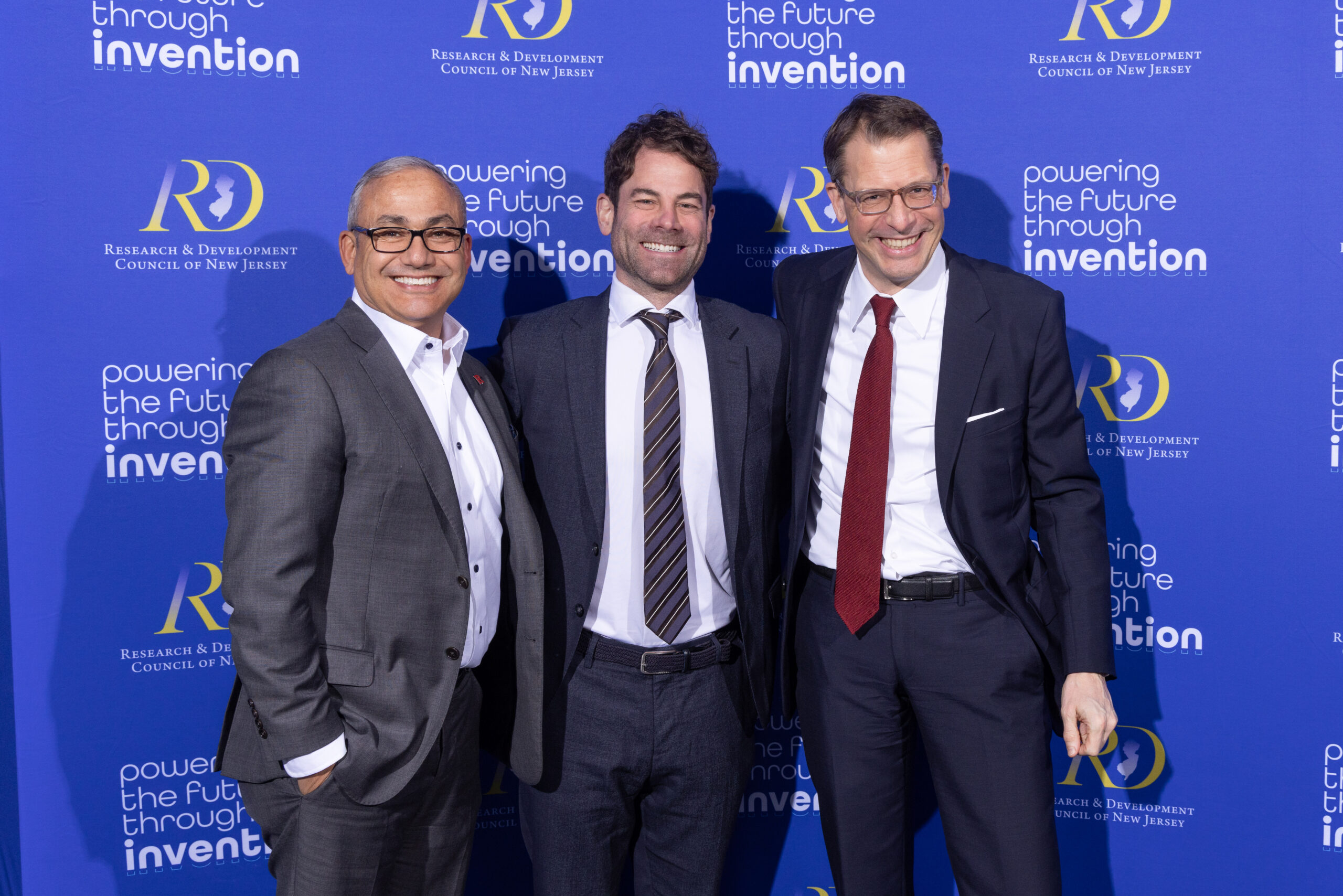
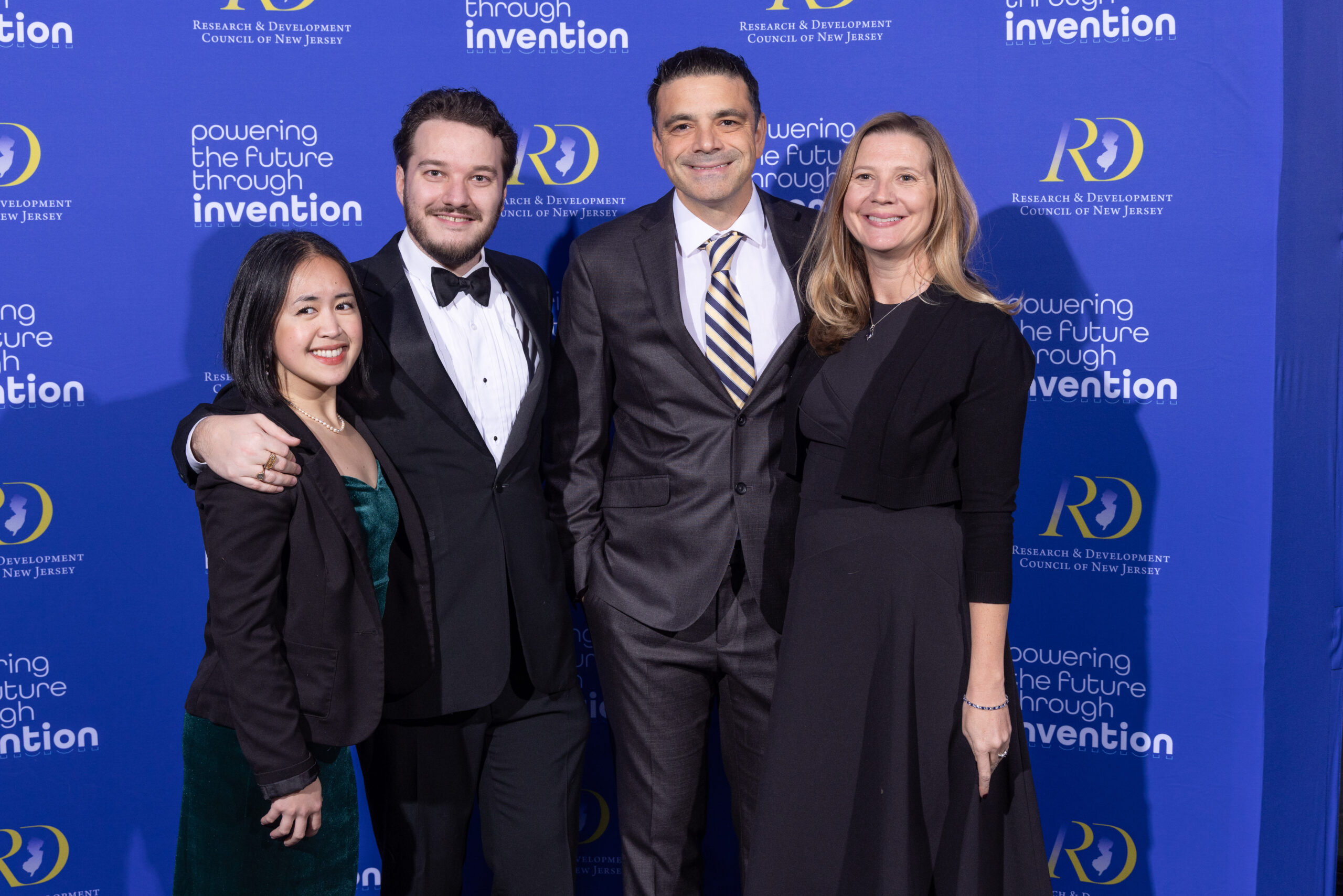
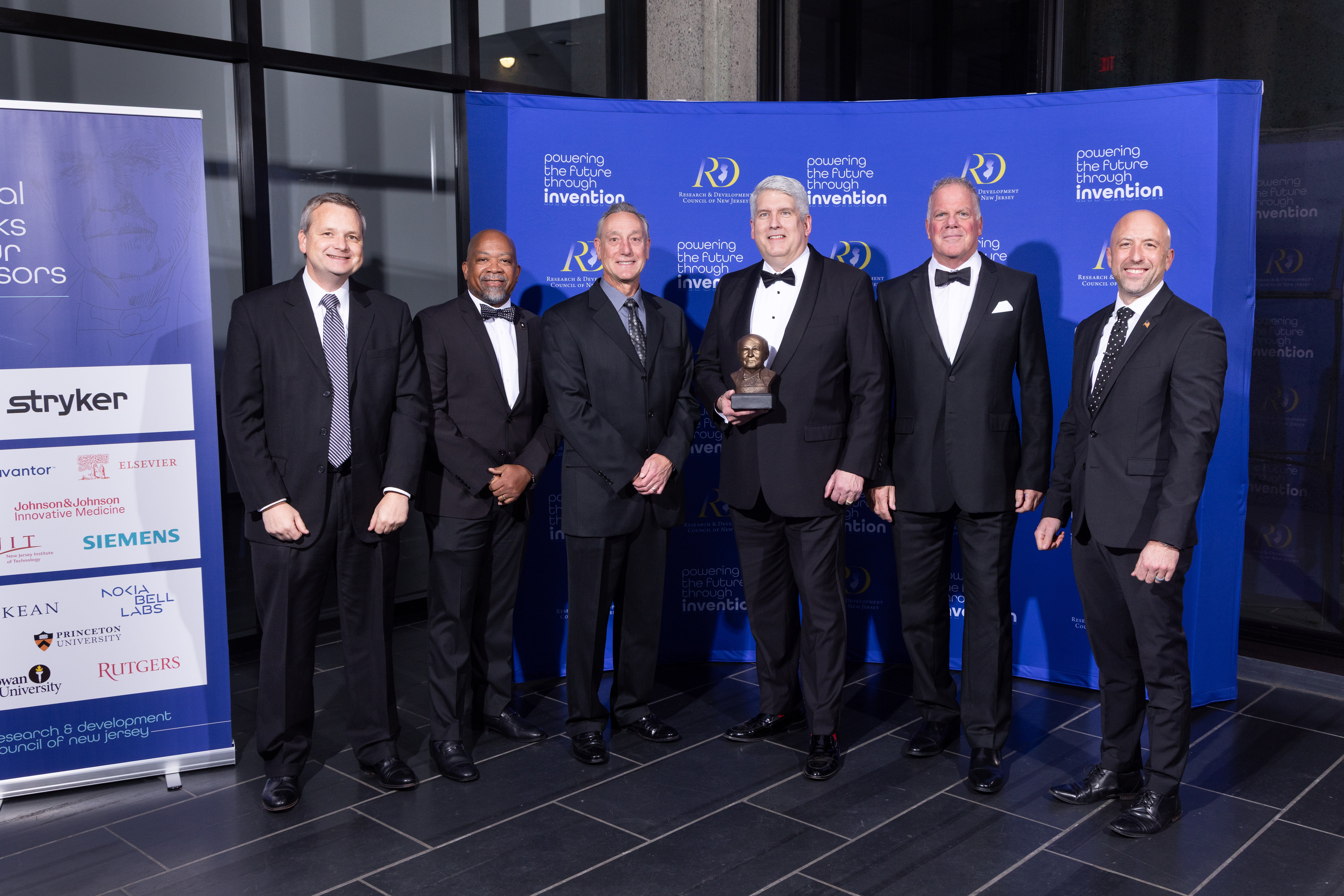
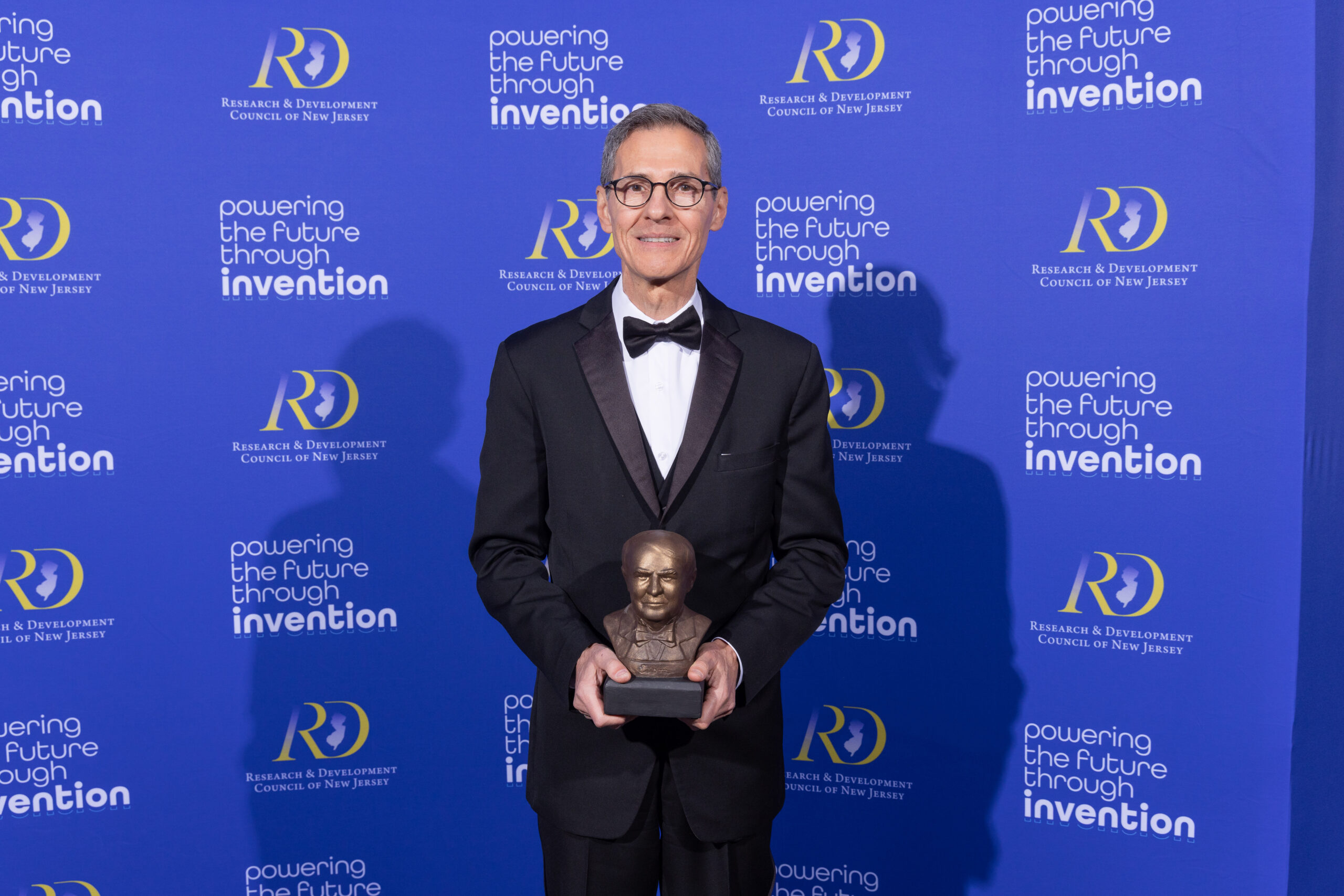
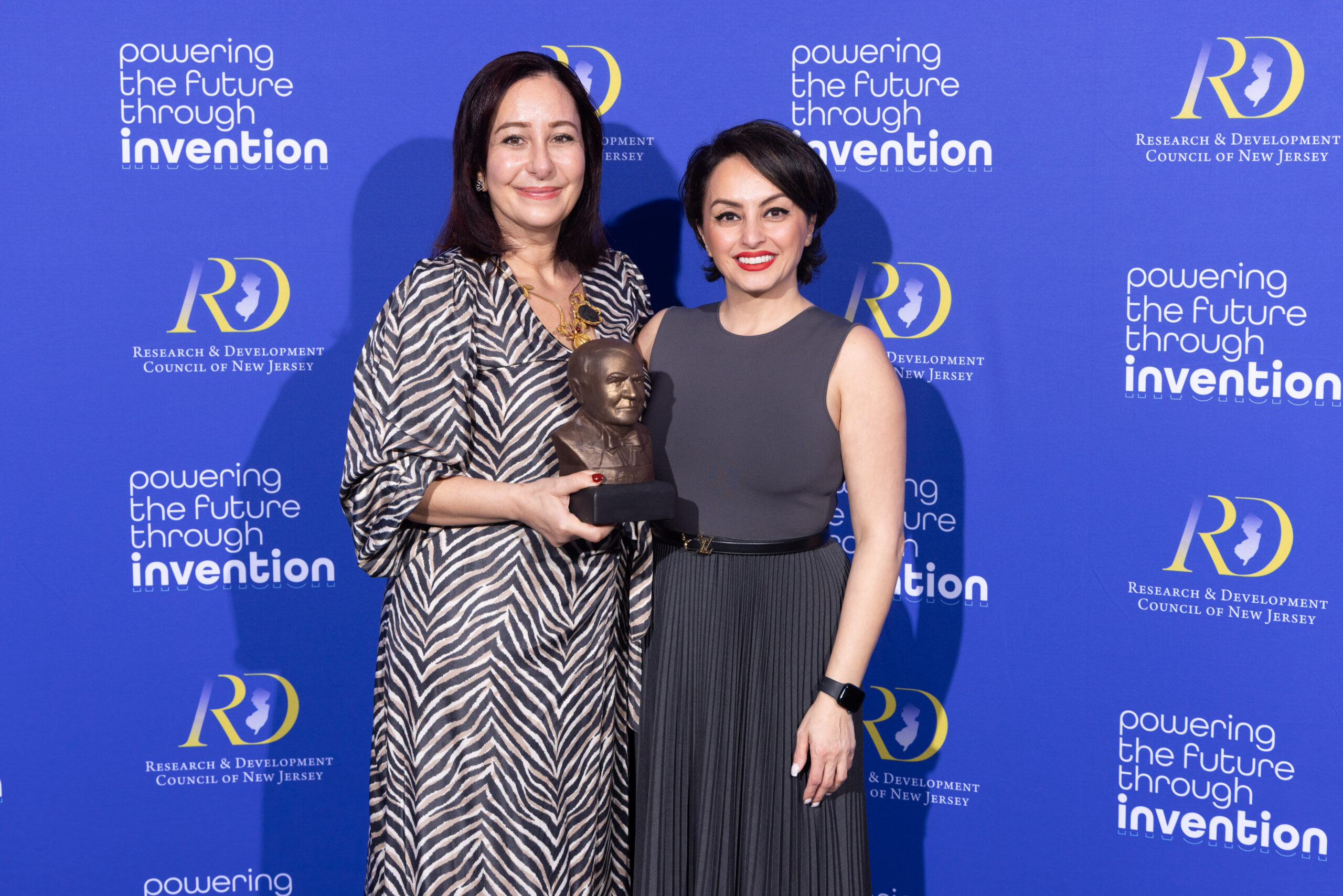
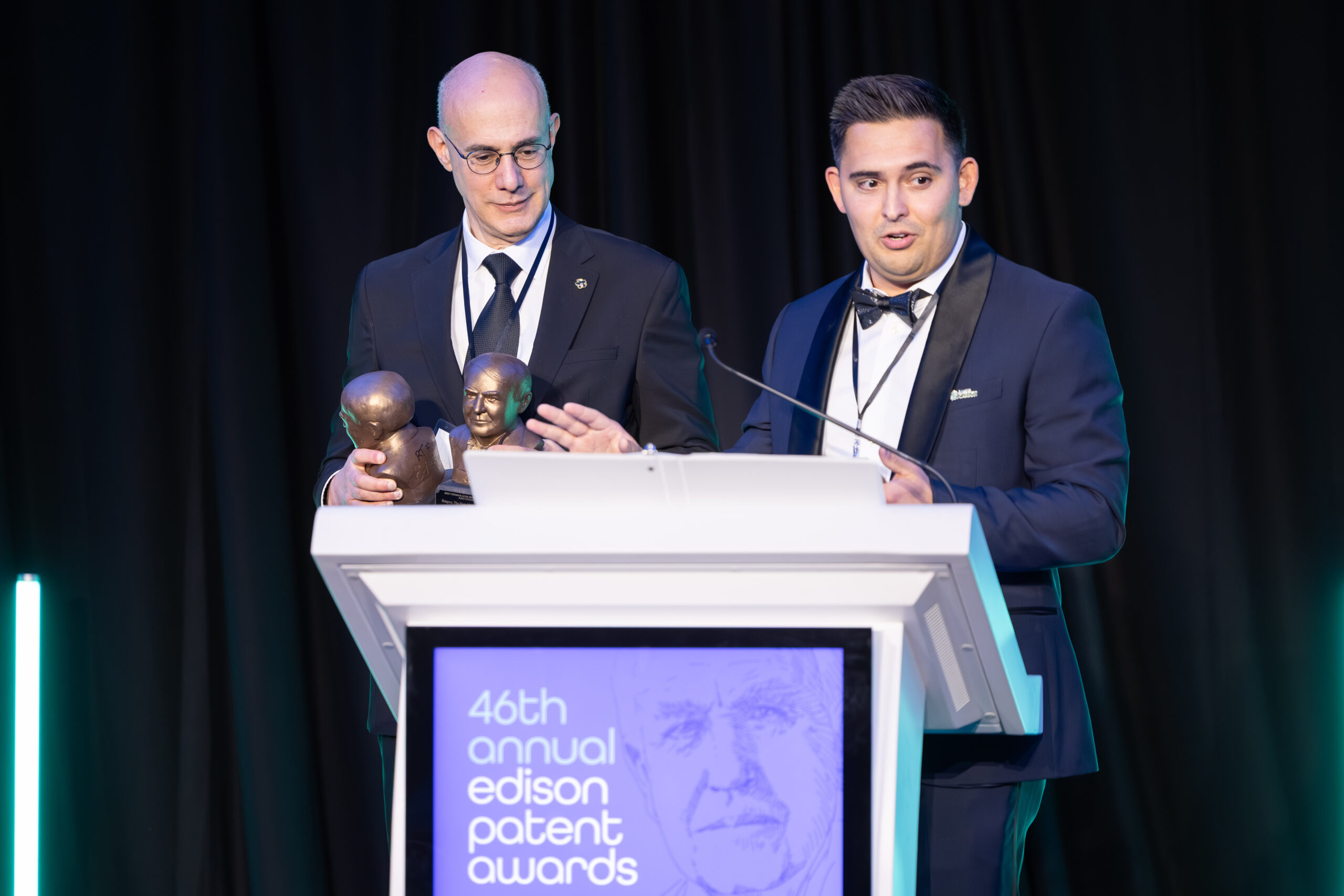
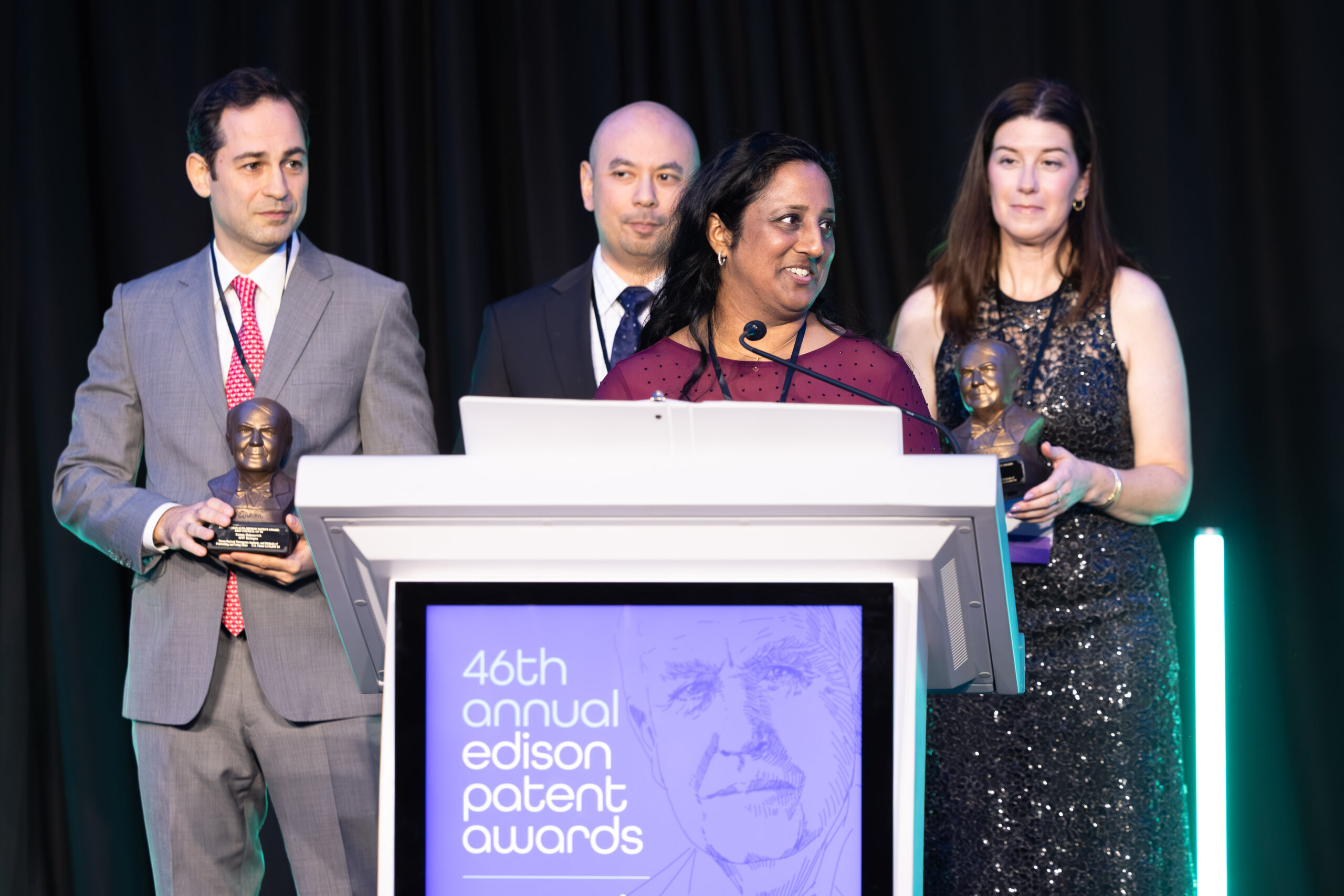
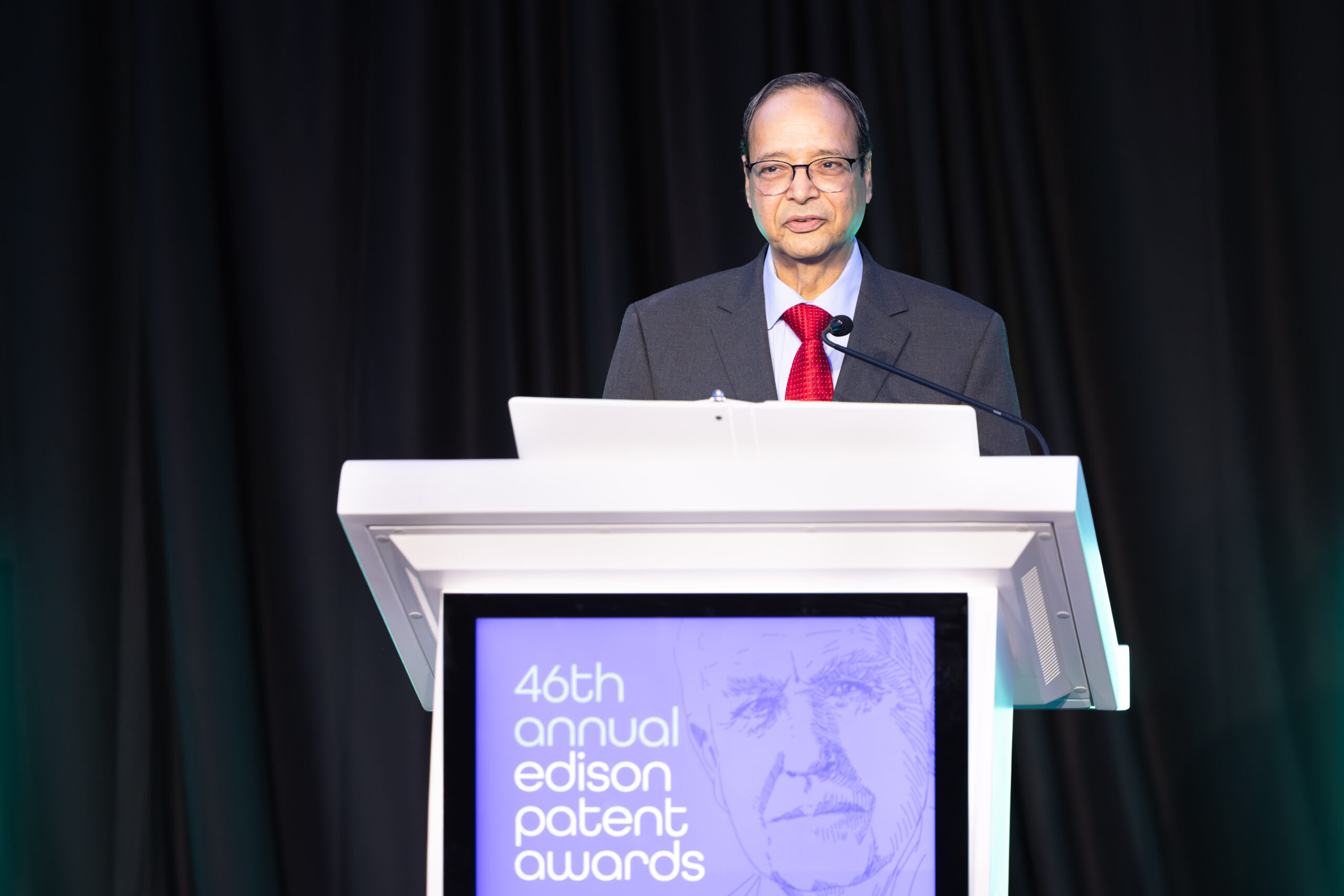
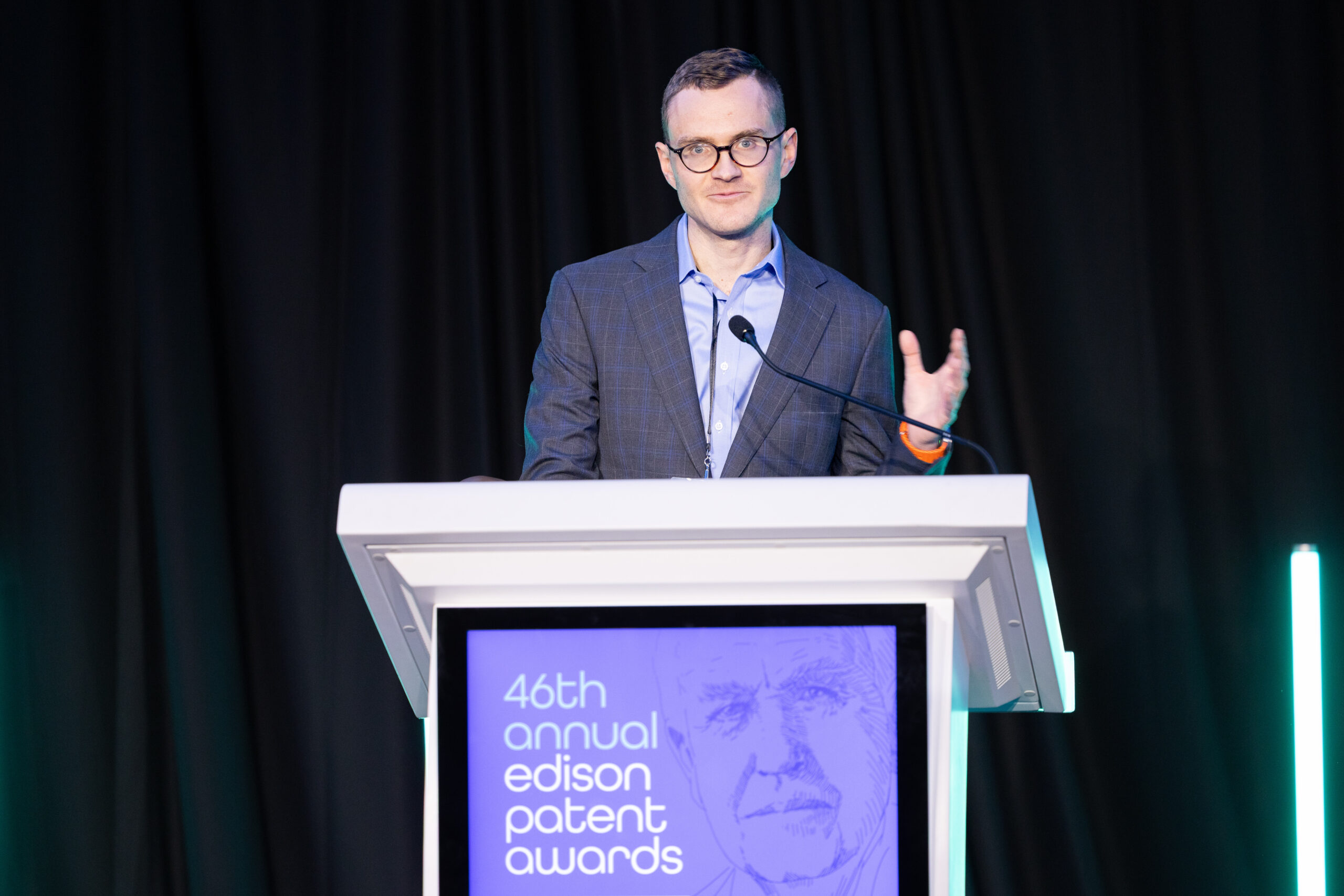
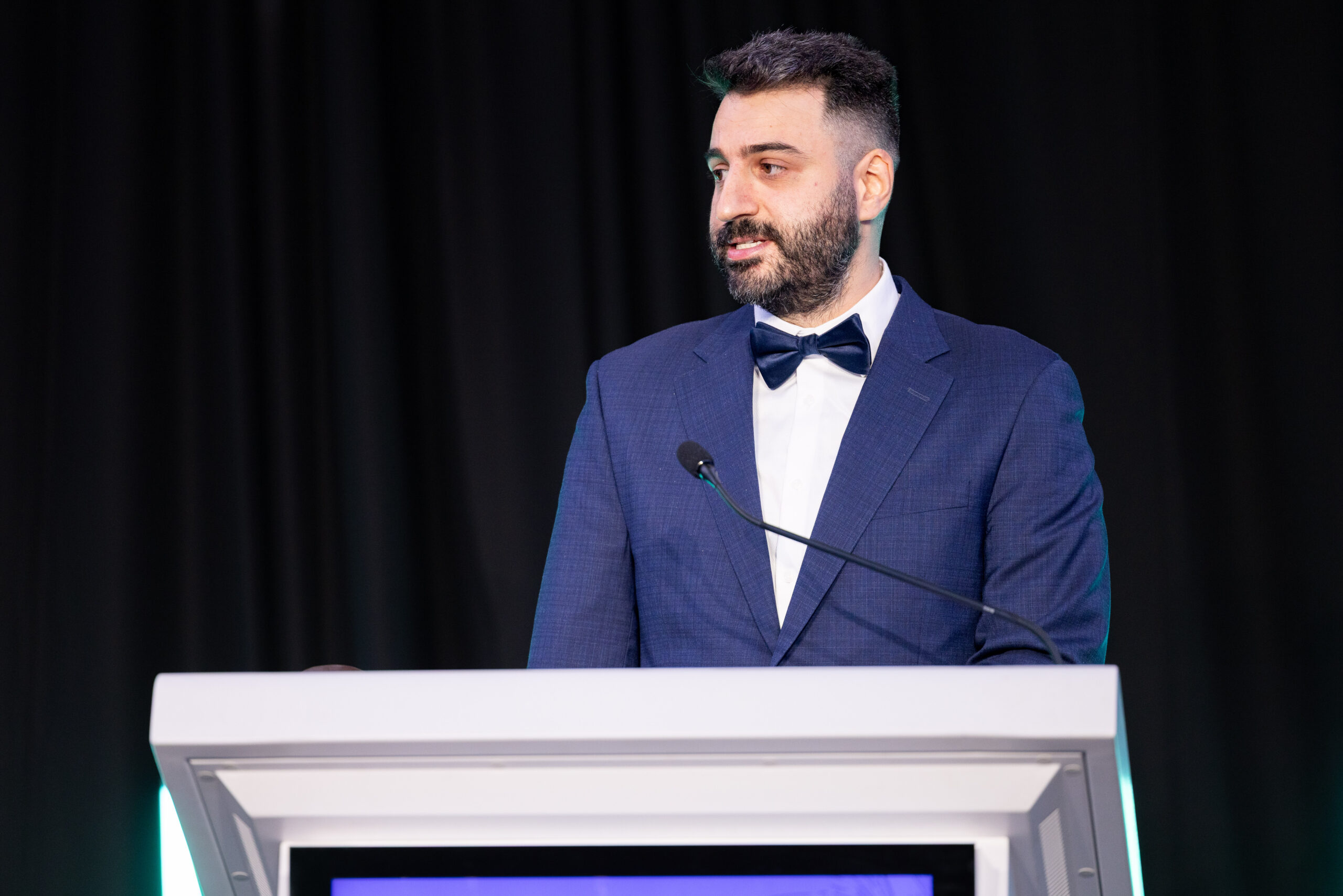
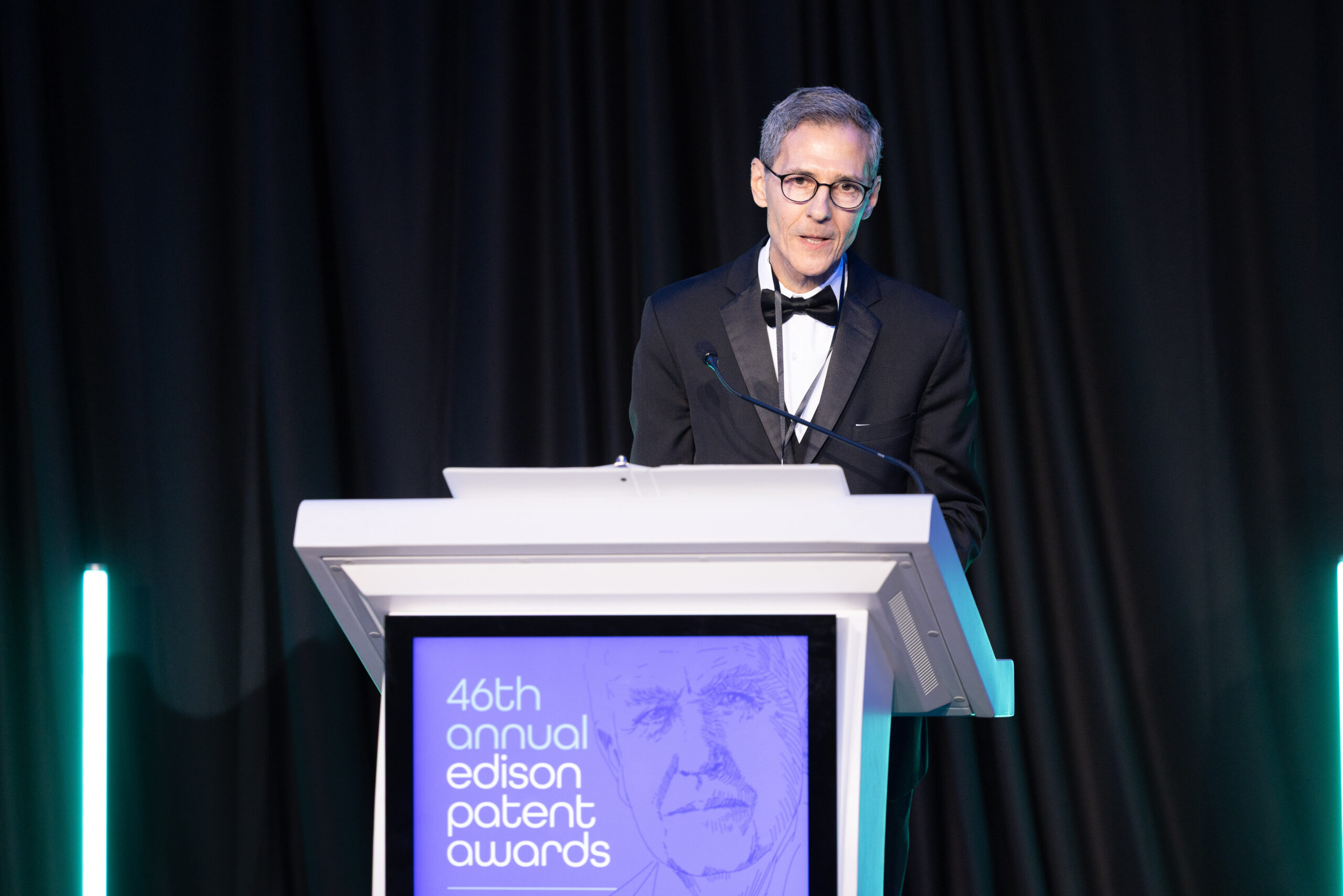
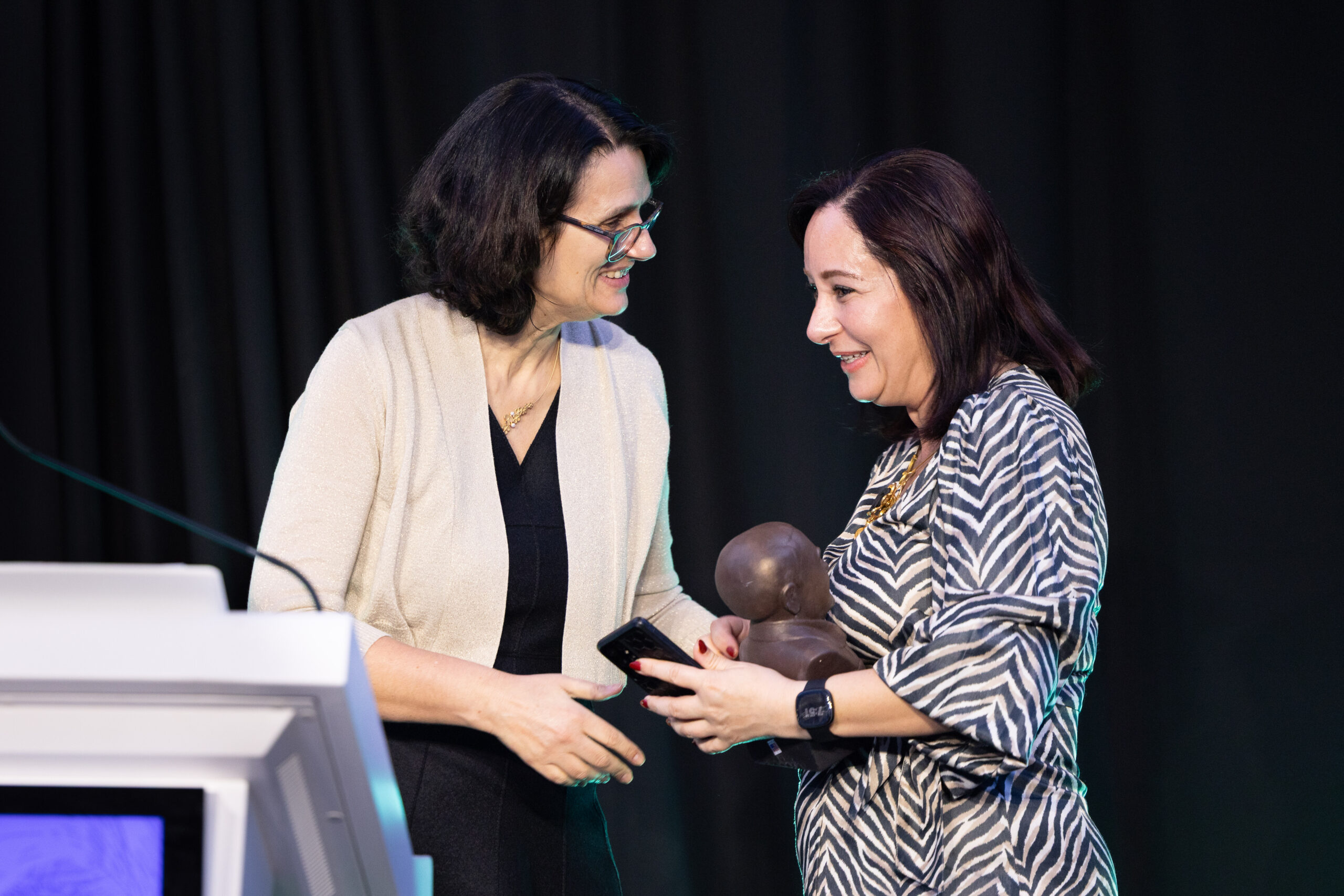
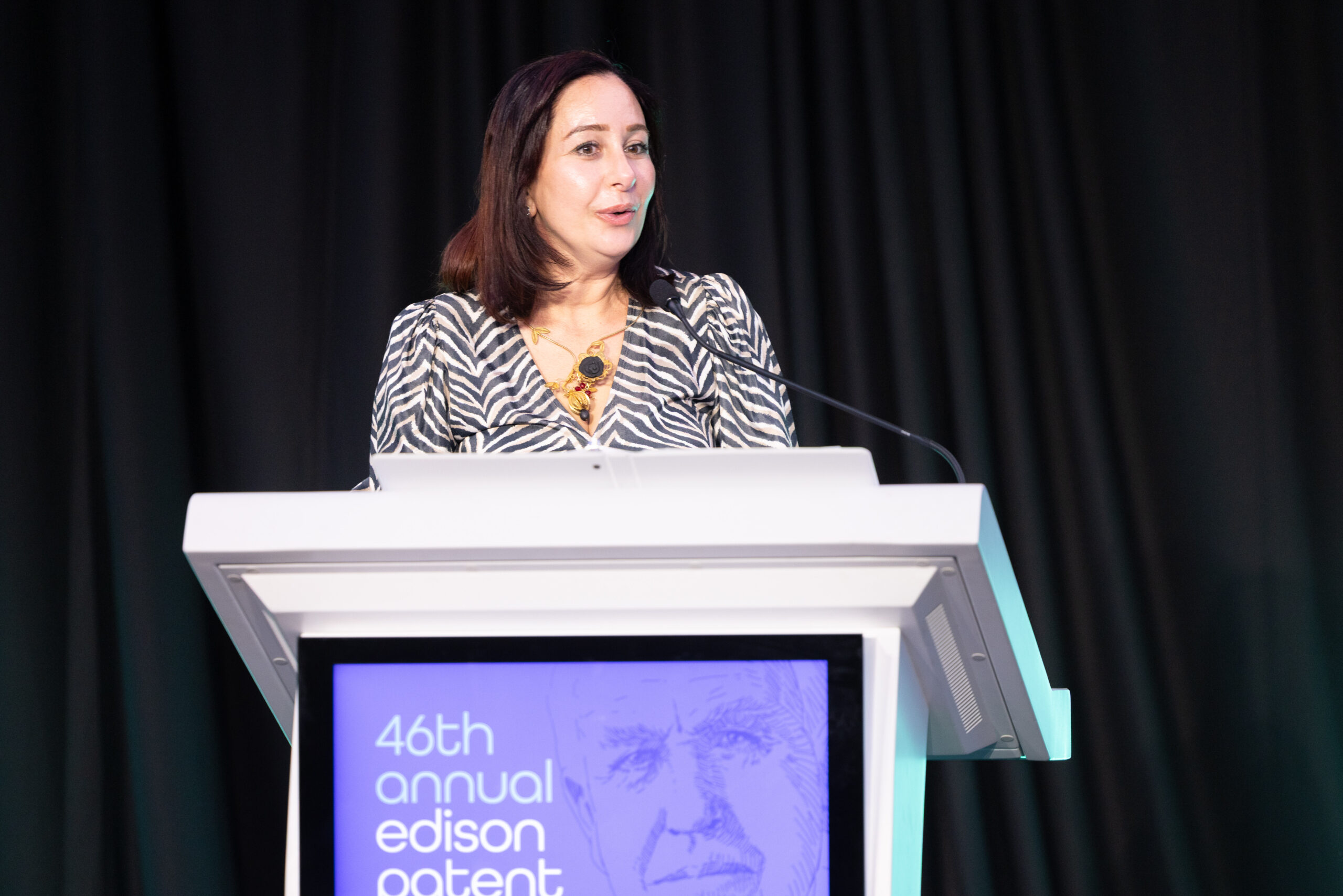
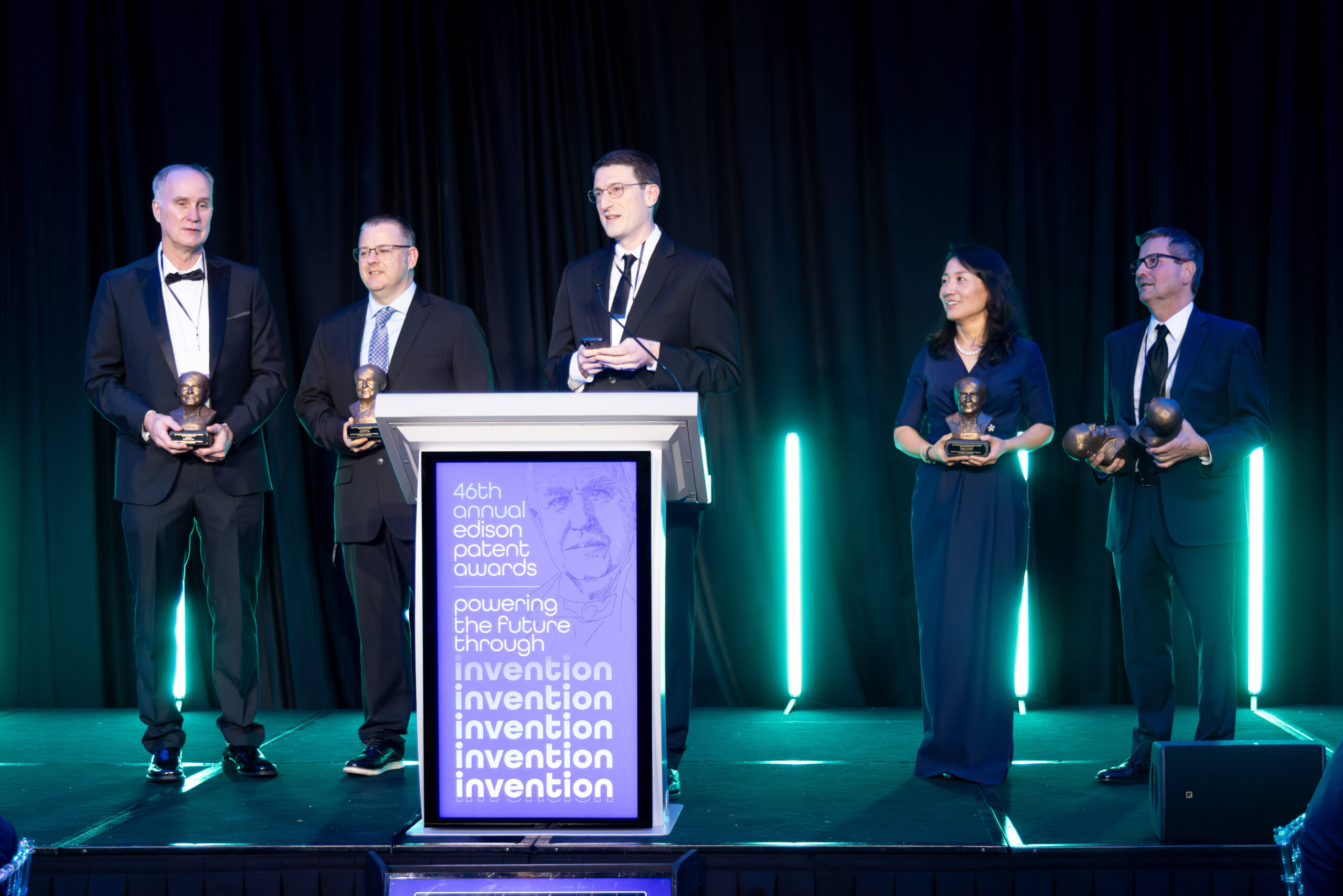
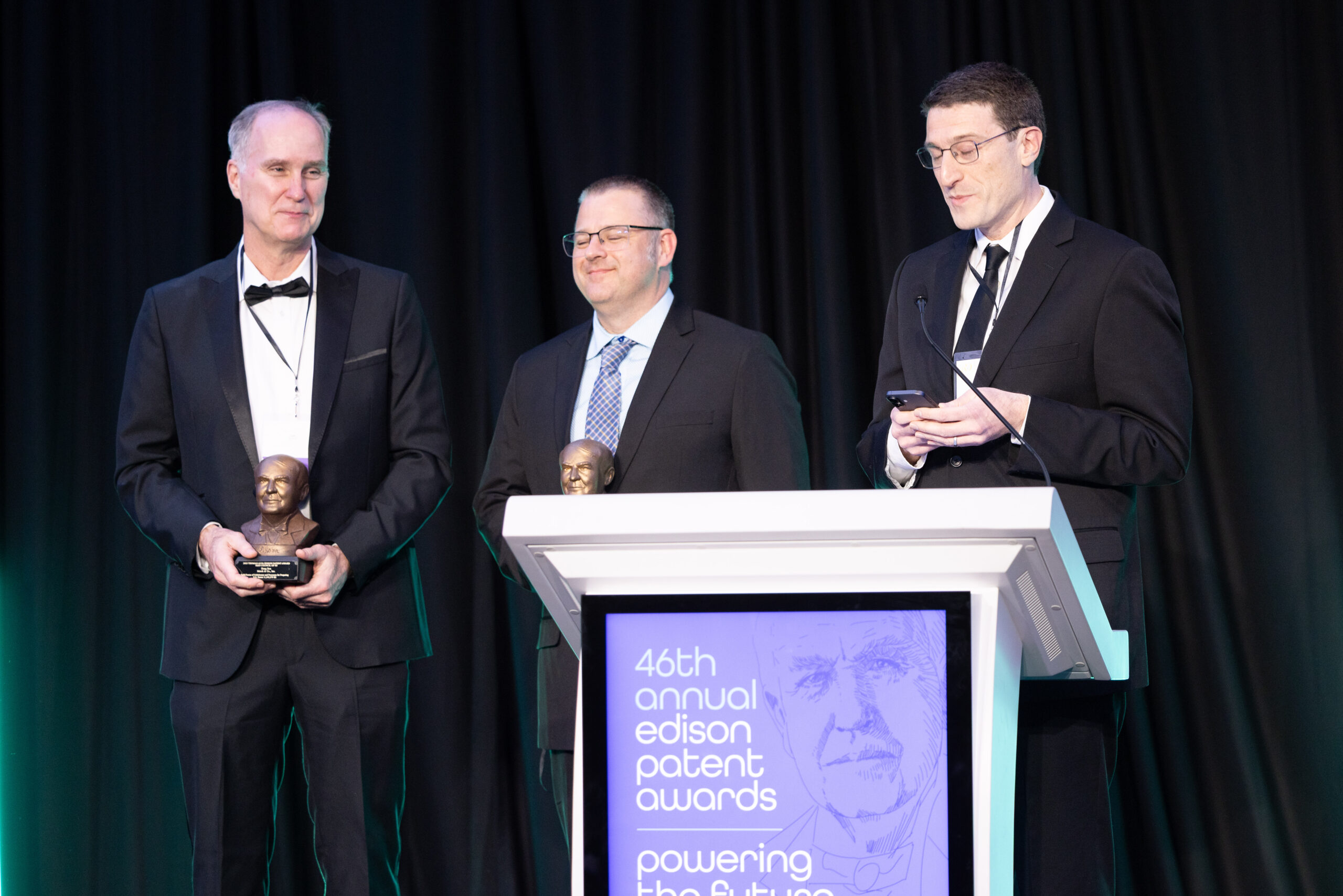
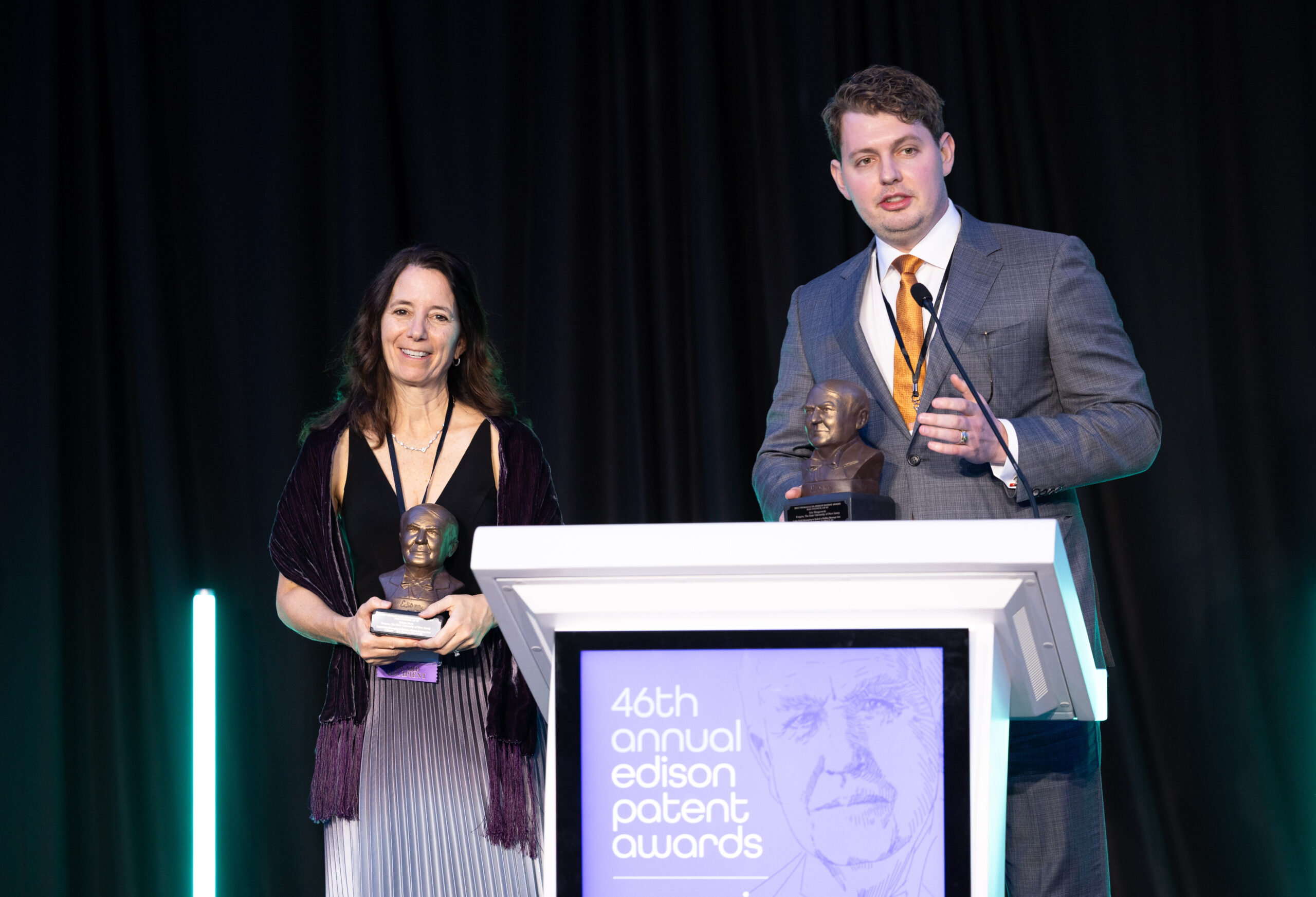
At the 46th Annual Edison Patent Awards, New Jersey’s brightest minds were recognized for pioneering inventions that are powering industries, advancing science, and shaping the future.
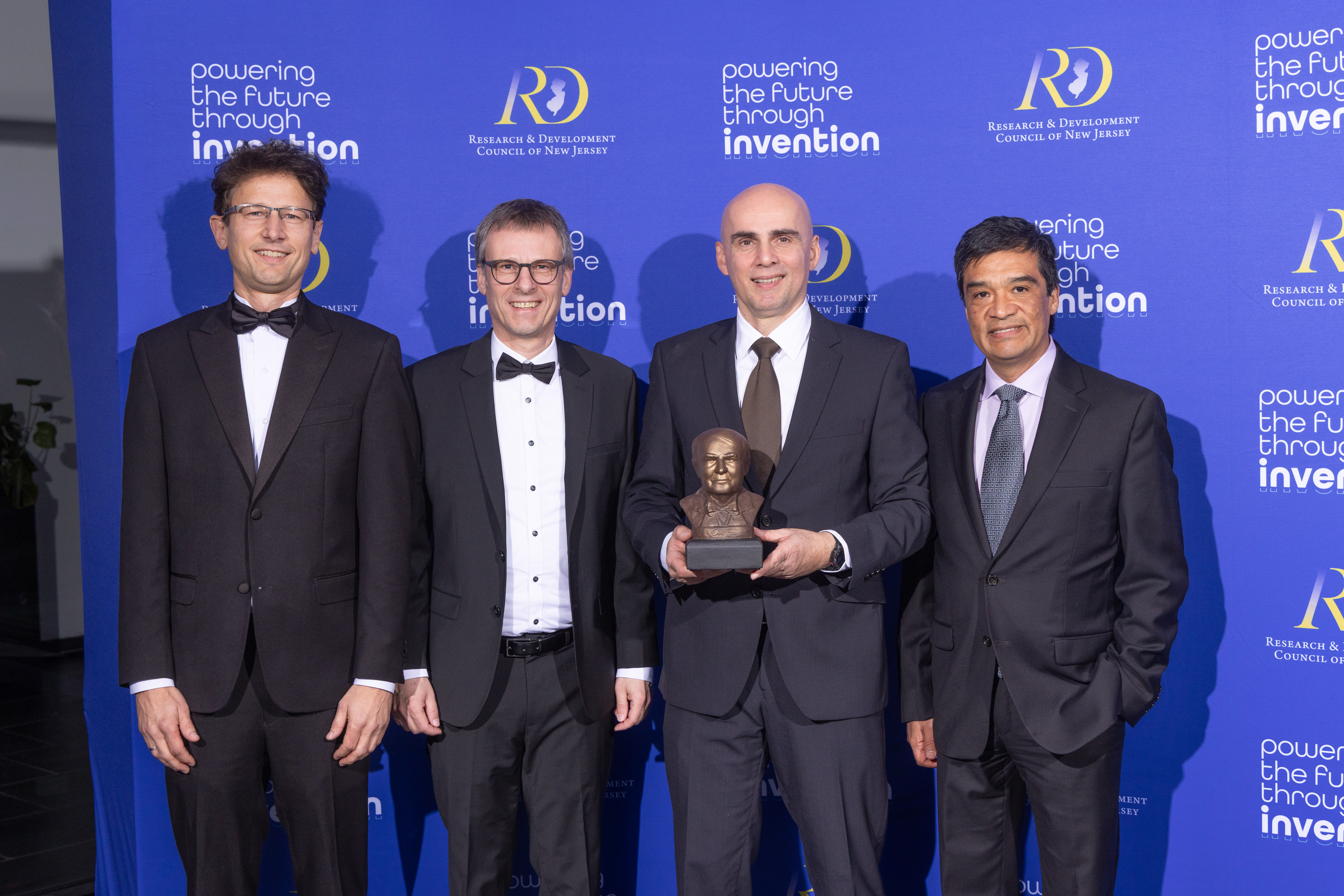
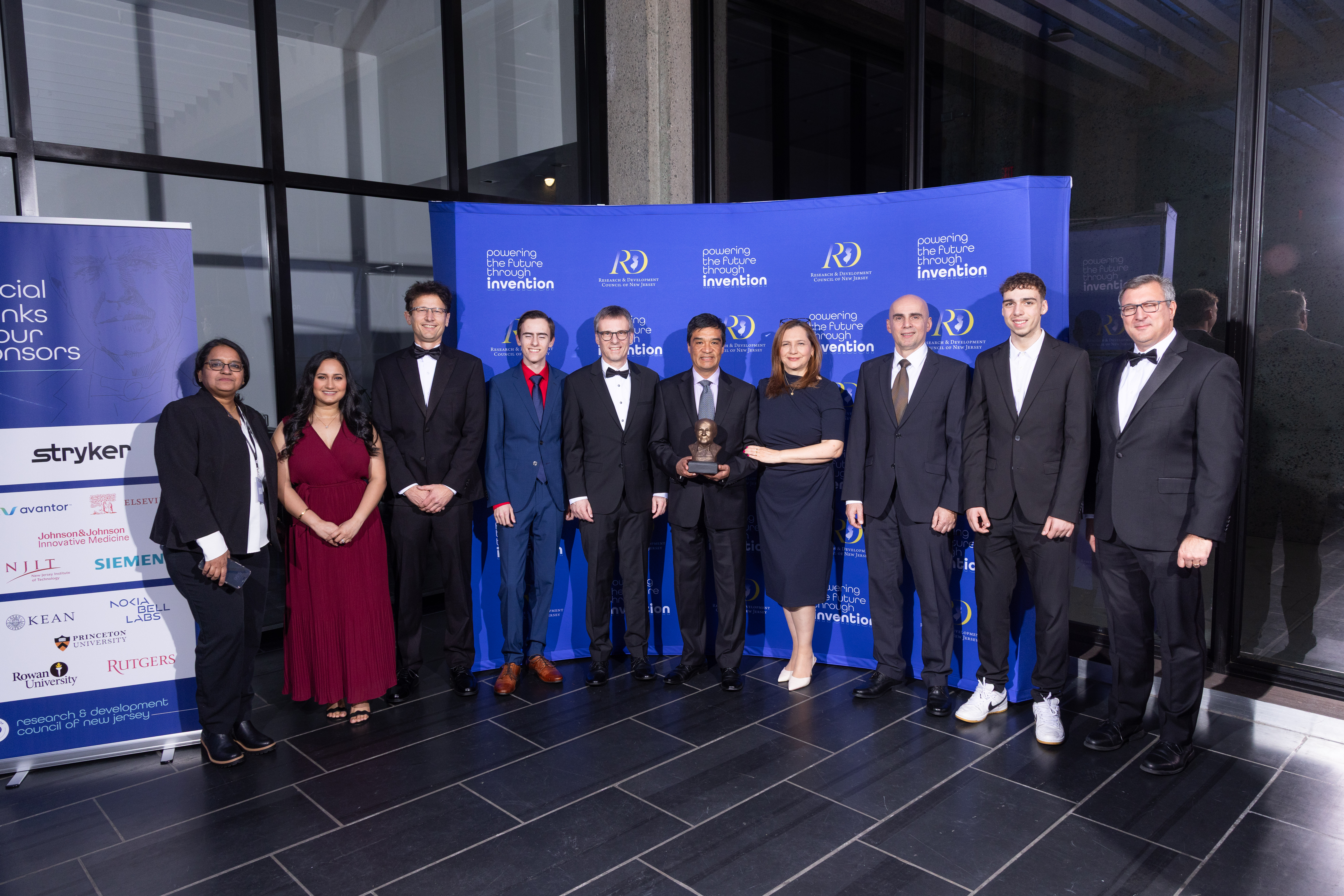
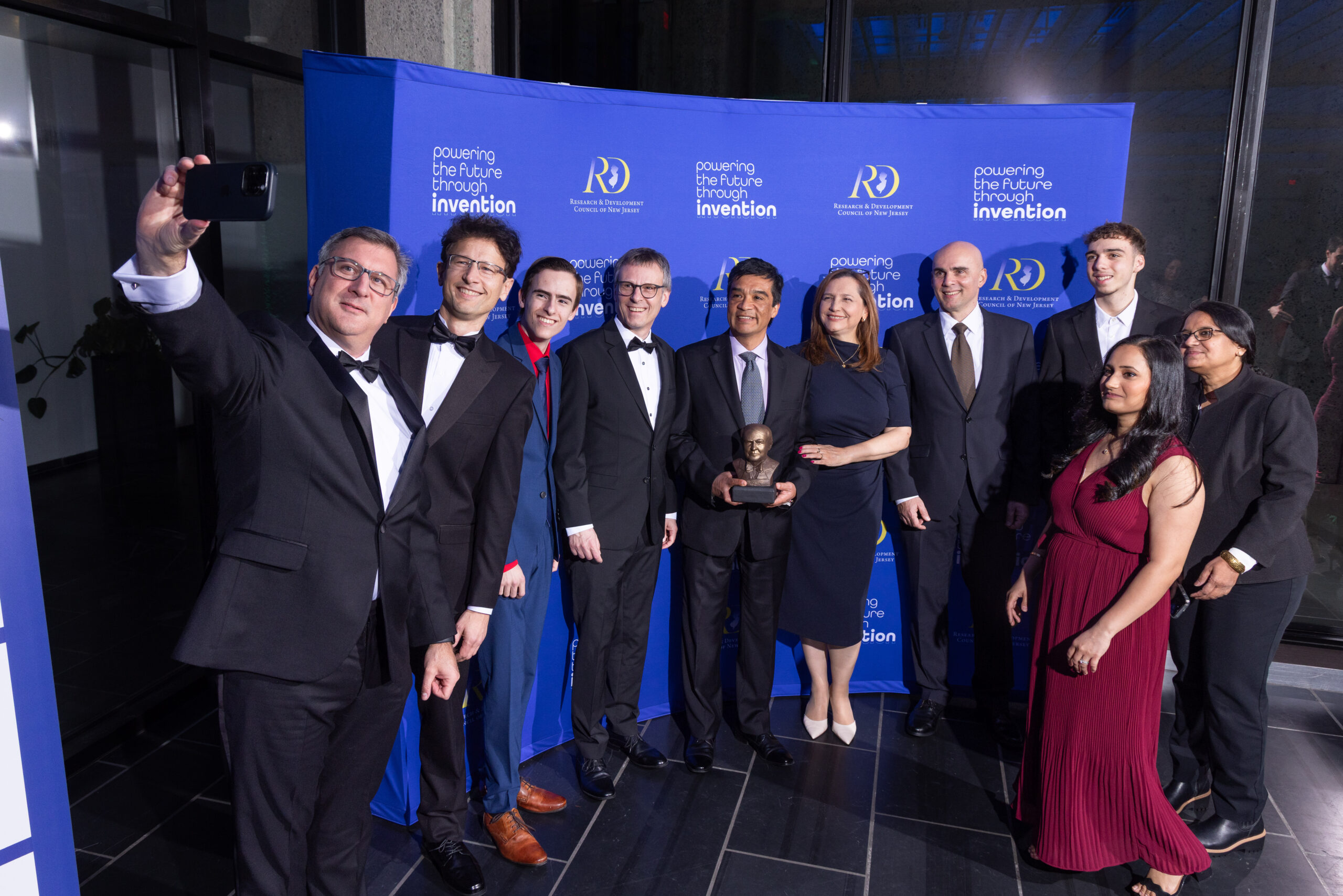
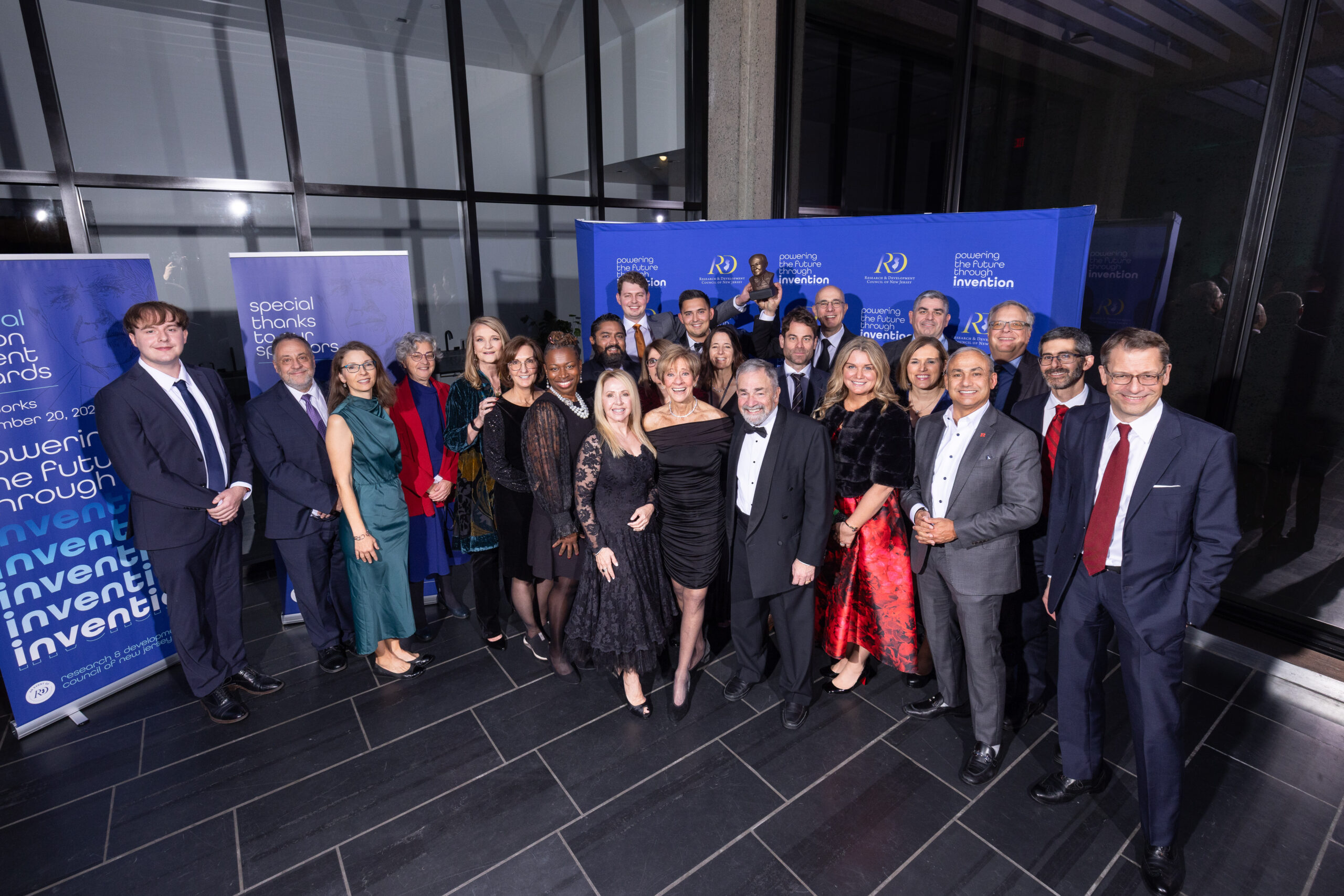
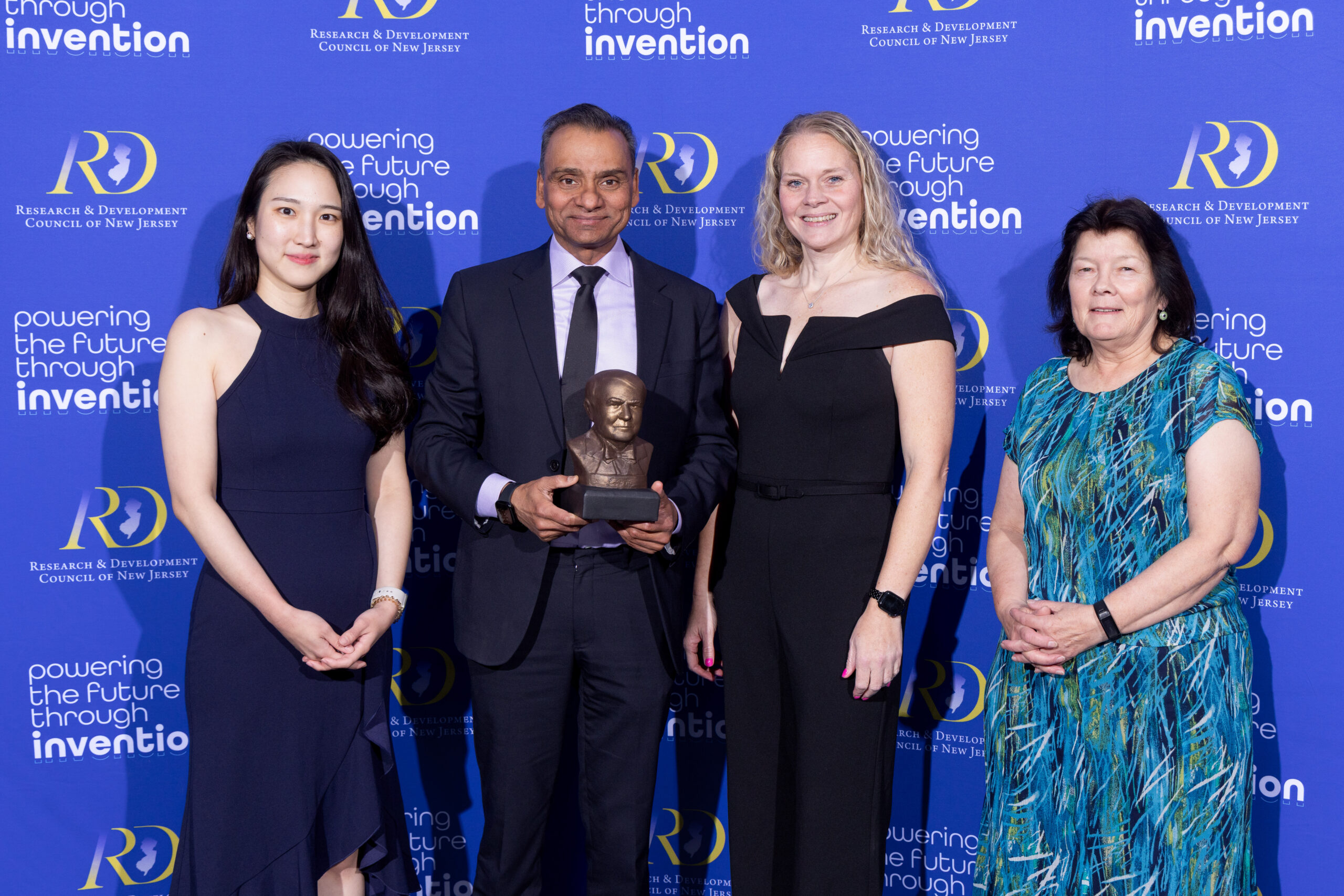
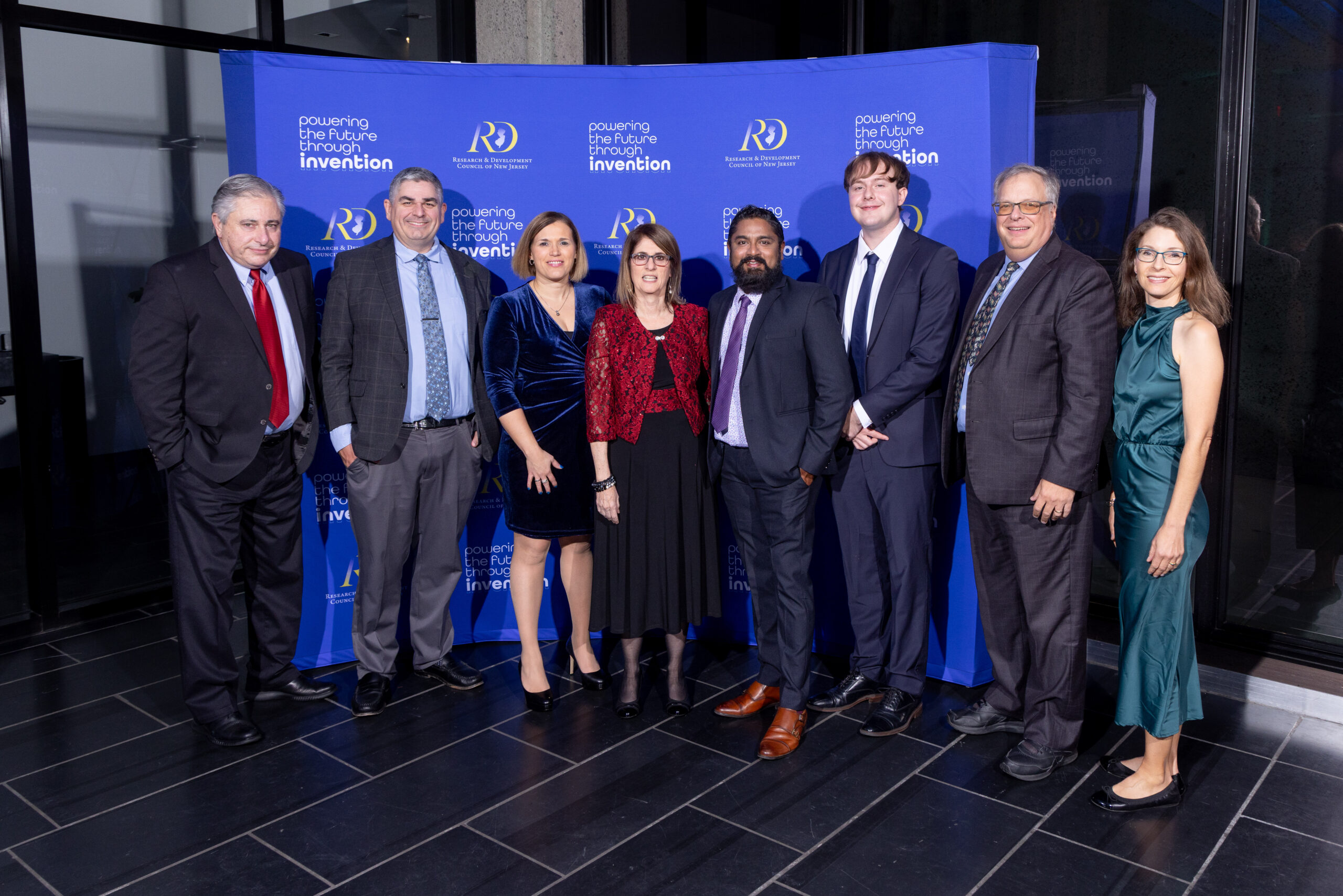
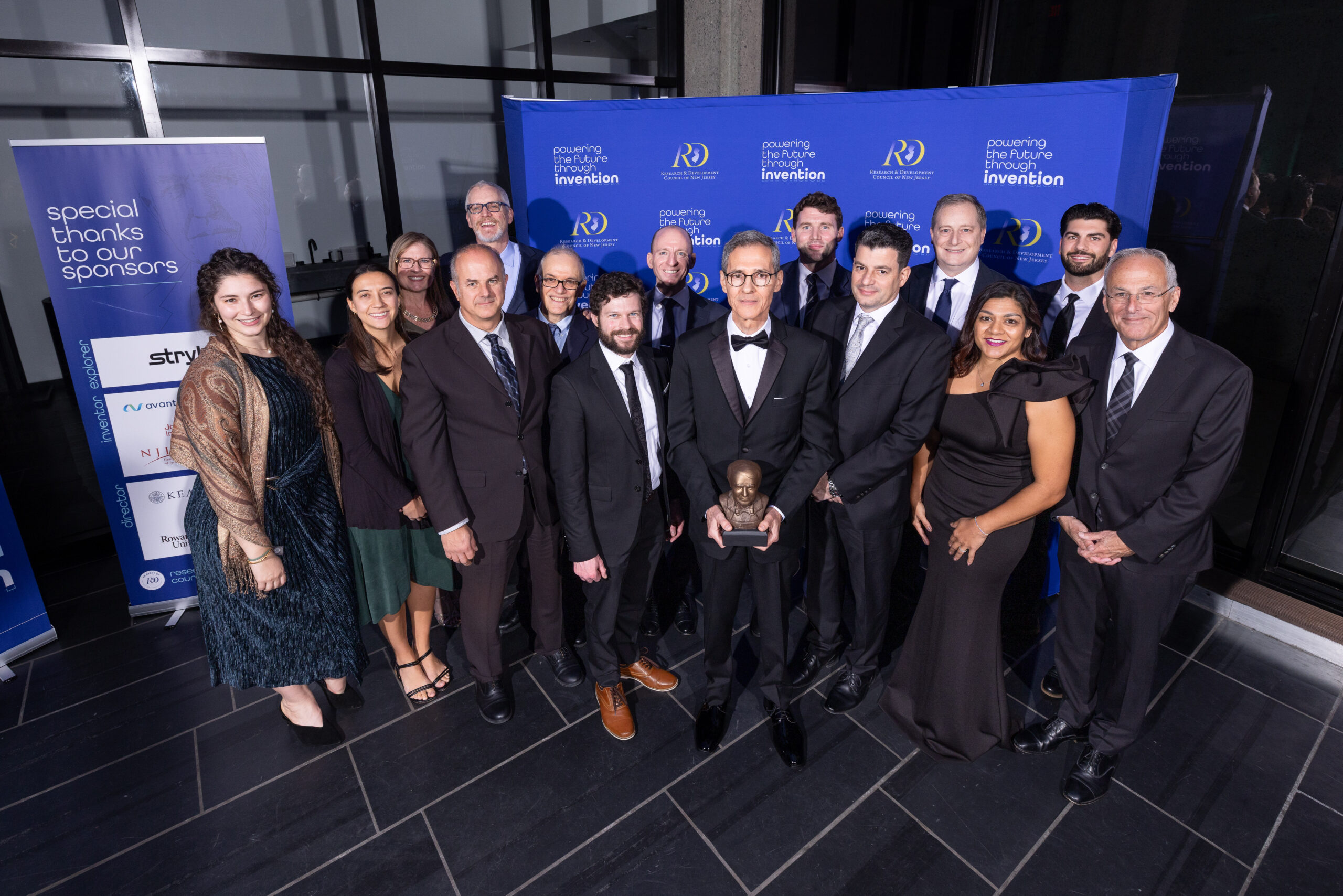
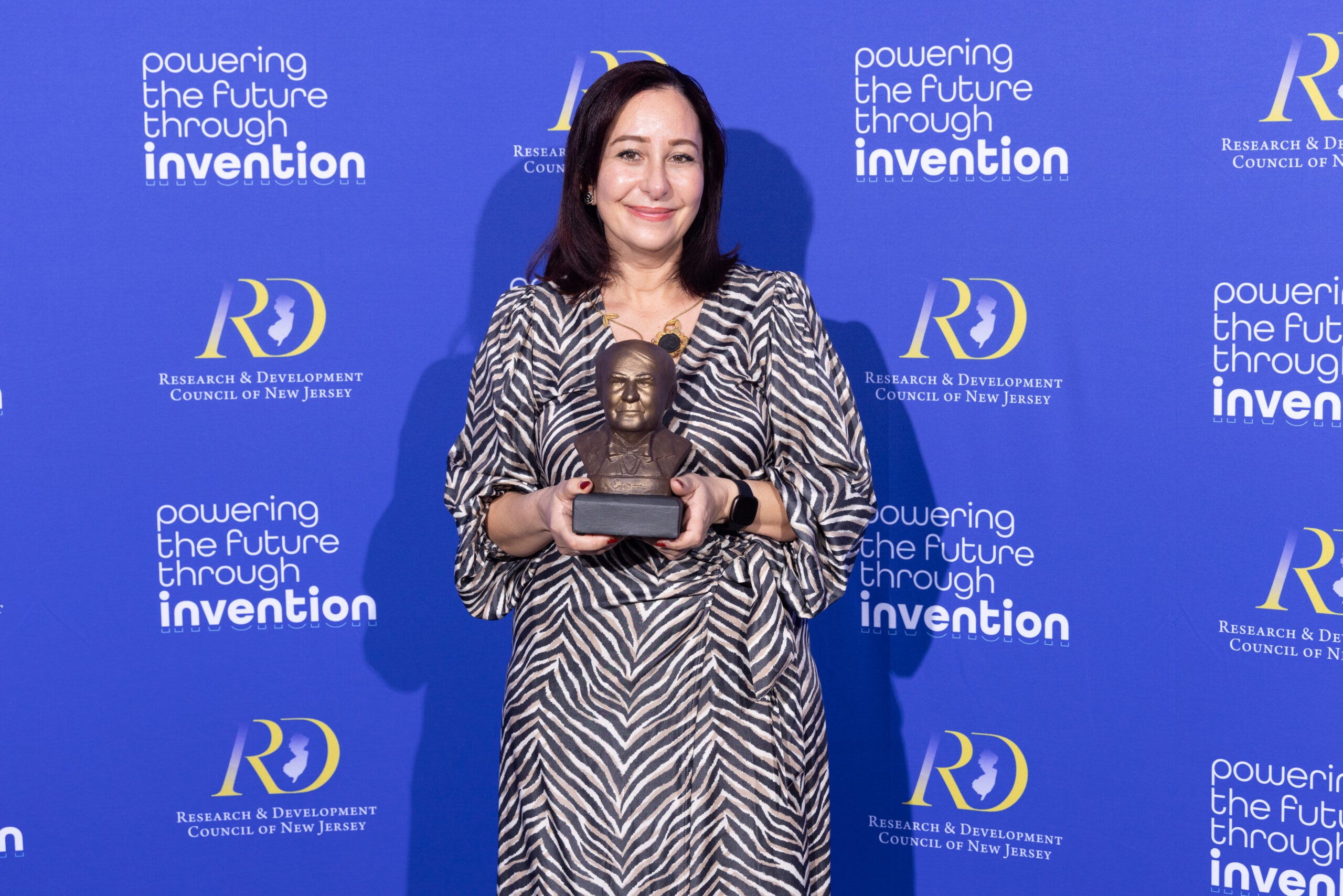
Hosted by the Research & Development Council of New Jersey at Bell Works in Holmdel, the 2025 ceremony celebrated twelve patents from eleven organizations and six visionary individuals whose work exemplifies the state’s spirit of innovation.
The Edison Patent Awards honor the inventors and research institutions whose breakthroughs are advancing technology, improving lives, and strengthening New Jersey’s innovation economy. From biotechnology and clean energy to medical and digital innovation, these awardees embody the spirit of discovery that defines the Garden State.

2025 Edison Patent Awards Winners
Individual Award Winners
Science & Technology Medal

Robert Cohen, Vice President, Innovation and Technology for Stryker’s Orthopaedics Group, is honored for his decades of impact in orthopaedic innovation and digital health. With more than 40 years in the medical device industry and over 25 patents, he has advanced surgical robotics, biomaterials, and 3D-printed technologies that have transformed care and improved patient outcomes worldwide.
Visionary Award
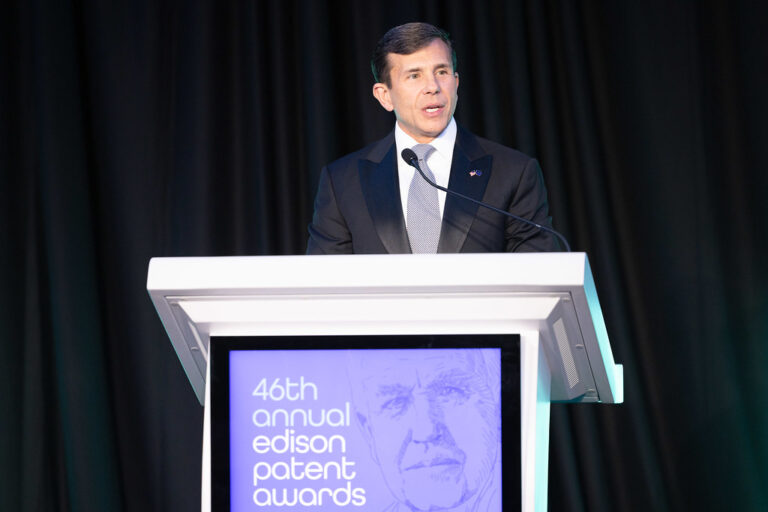
John Crowley, President & CEO of the Biotechnology Innovation Organization (BIO), is honored with the Visionary Award for his enduring impact on rare disease innovation and biotechnology advocacy. Motivated by his children’s diagnosis with Pompe disease, he has become a nationally recognized biotech leader and a powerful champion for patient-centered science, advancing policies and innovations that strengthen the future of biomedical discovery.
Educator of the Year
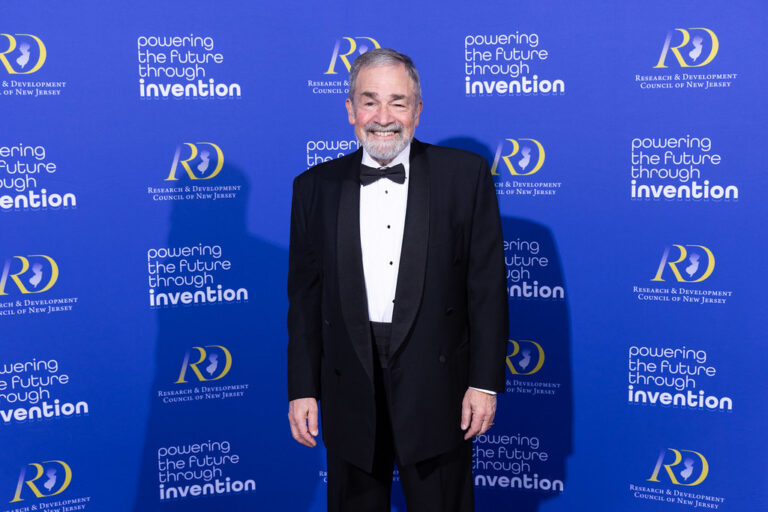
Brian Strom, M.D., M.P.H., Chancellor of Rutgers Biomedical and Health Sciences and Executive Vice President for Health Affairs at Rutgers University, is recognized for his transformative leadership in reshaping medical education in New Jersey. As the architect of Rutgers’ academic health enterprise, he has unified and strengthened the state’s medical, dental, and health professional schools, expanding student opportunity, improving care delivery, and elevating New Jersey as a national leader in health sciences education.
Catalyst Award

Craig Arnold, Ph.D., Vice Dean for Innovation and University Innovation Officer at Princeton University, is honored for his leadership in positioning Princeton—and New Jersey—as a powerhouse of research and technology innovation. He is driving major initiatives including the NJ AI Hub and expanding Princeton’s innovation infrastructure, accelerating research translation, entrepreneurship, and cross-sector collaboration in emerging technologies.
Emerging Tech Award
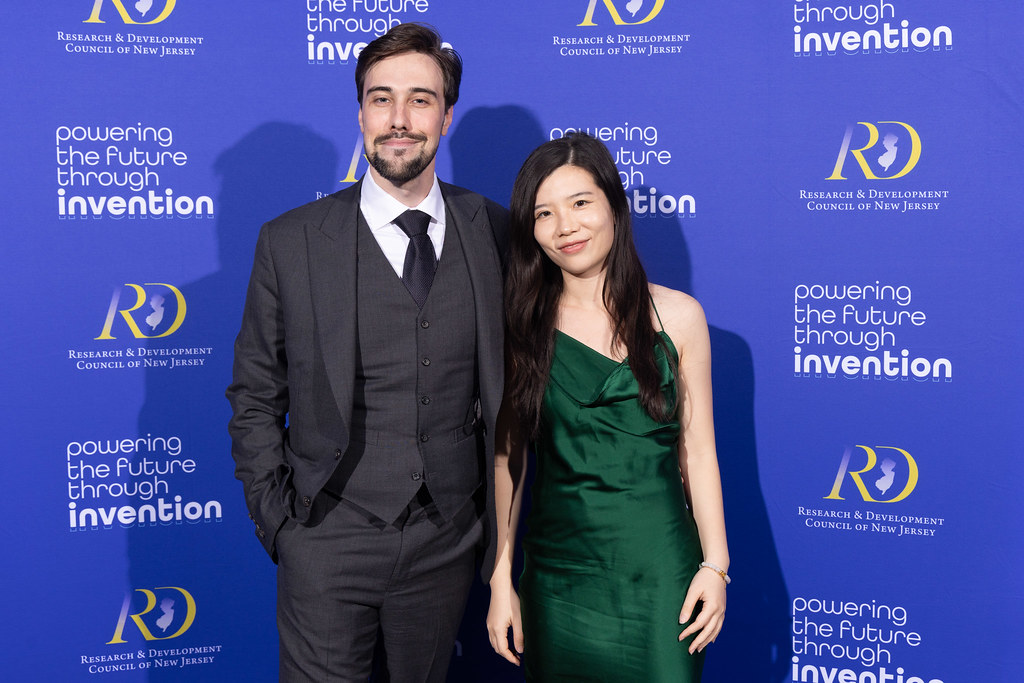
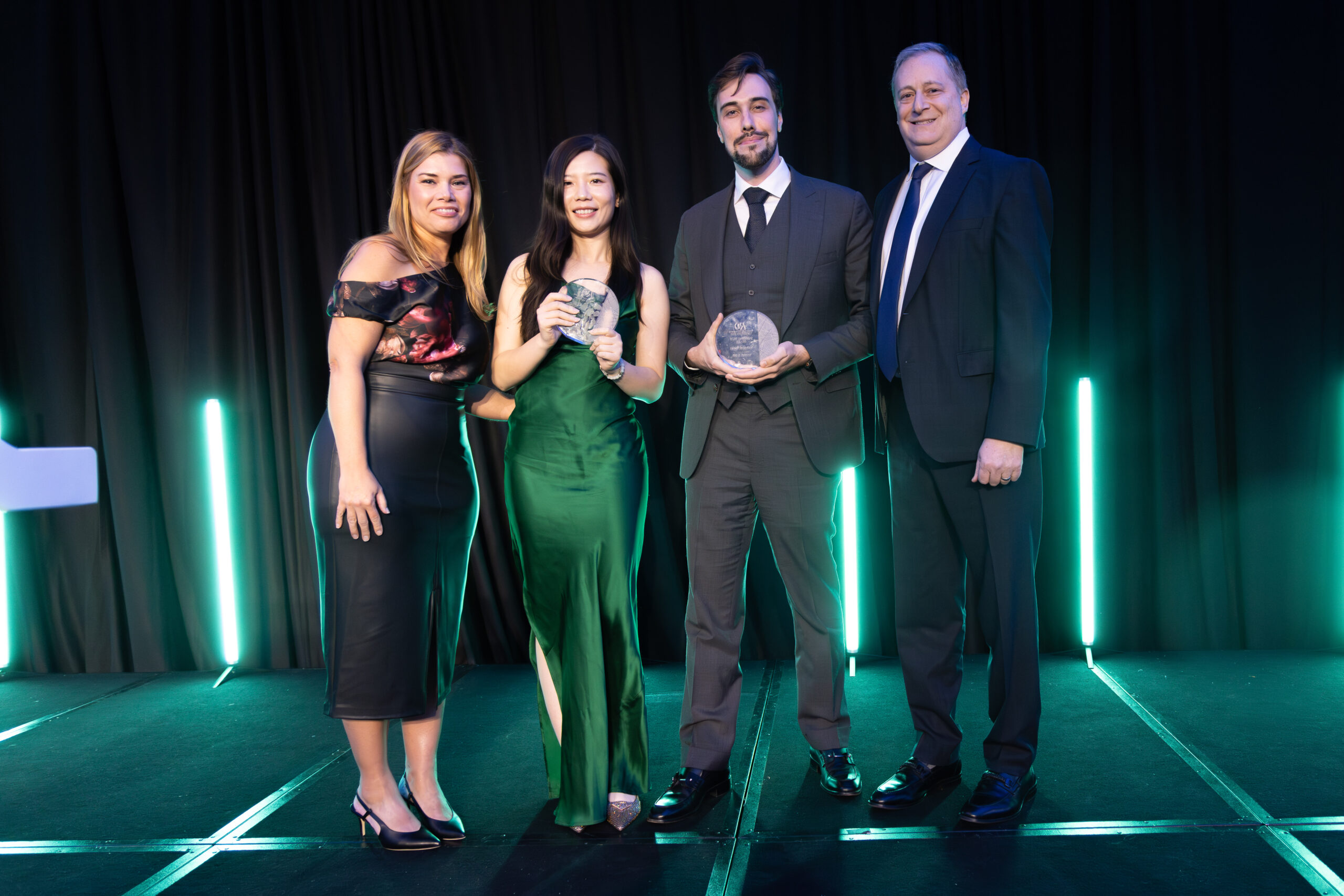
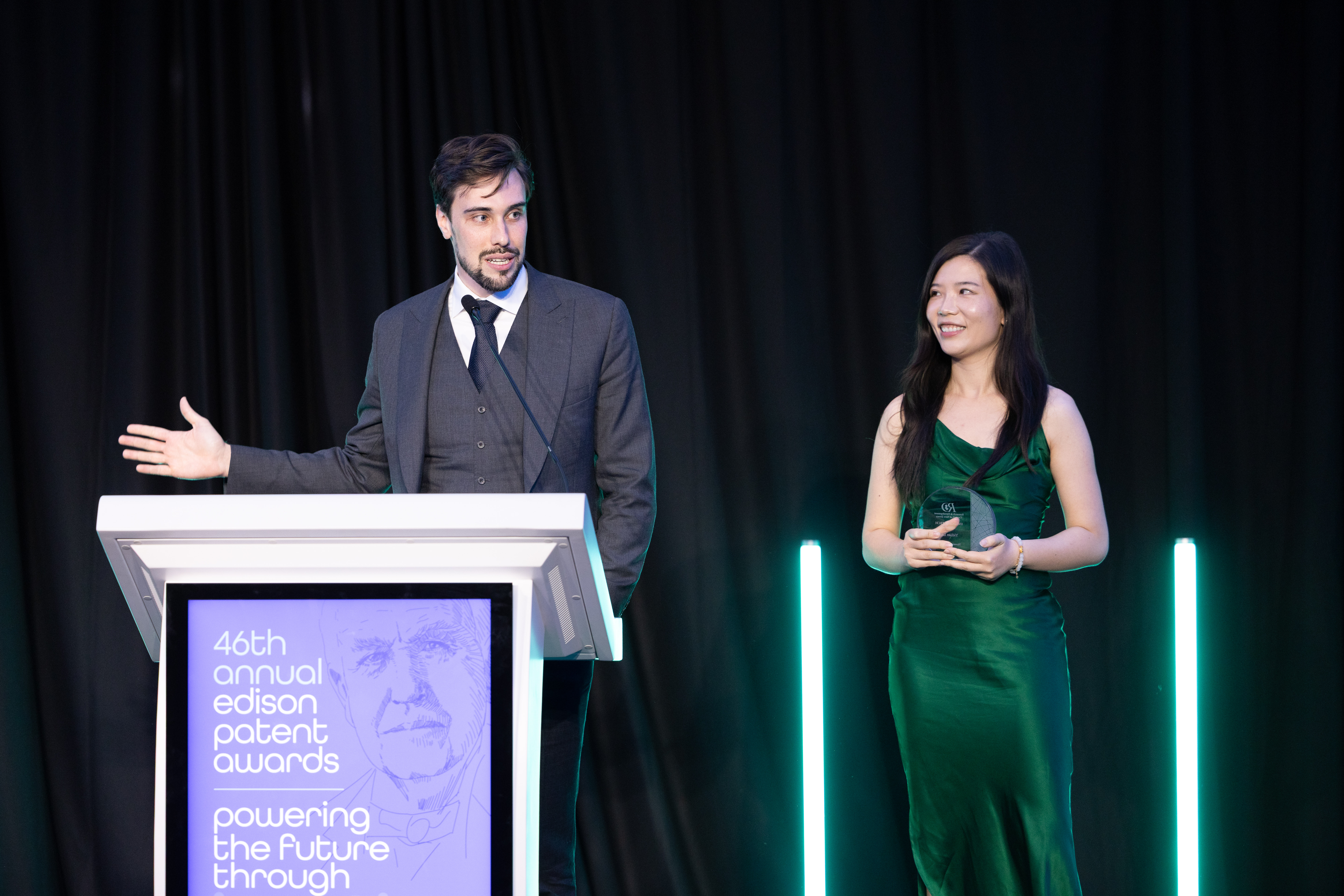
Nathaniel Banks and Yidian Liu, Co-Founders of PolyGone Systems, are recognized for pioneering a breakthrough microplastic filtration technology now deployed across New Jersey. Their system, launched in partnership with the Atlantic County Utilities Authority, has already removed more than 540 million microplastics from regional waterways, advancing environmental stewardship and setting a new benchmark for scalable clean-tech innovation.
Patent Award Winners
Biotechnology: Avantor/Amgen
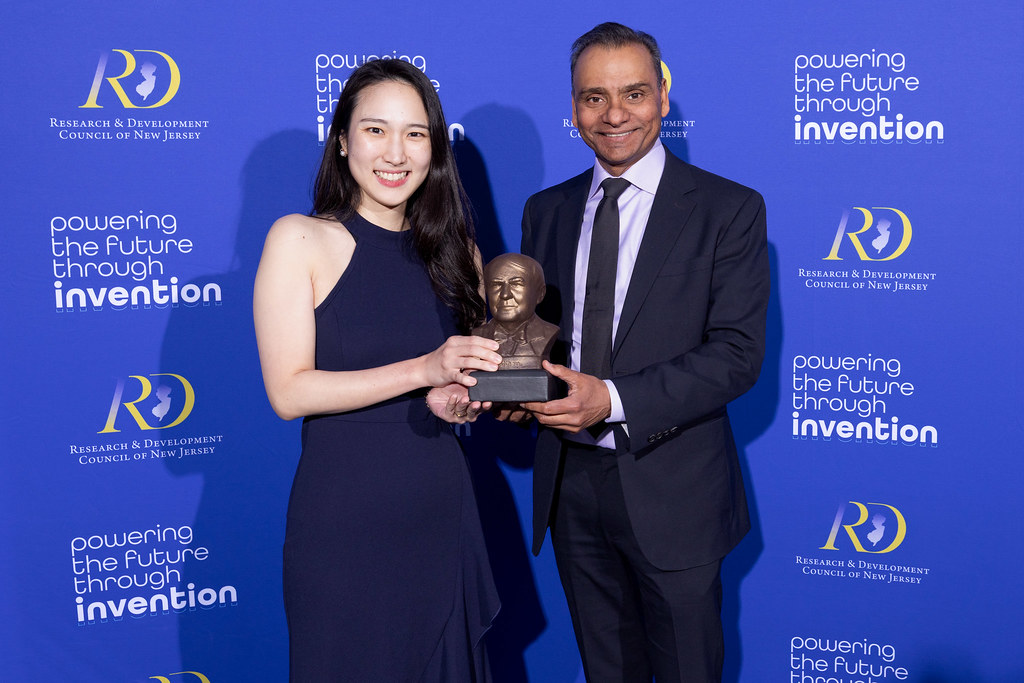
Avantor and Amgen and inventors Gabriella Perell, Rosa Daneshvar, and Martina Kopp of Amgen, with contributions from Jungmin Oh and Nandu Deorkar of Avantor, were recognized with an Edison Patent Award in the Biotechnology category for the patent Alternate Detergents for Viral Inactivation (U.S. 2022/0106573 A1). The invention introduces a new class of patented, readily biodegradable, and low-toxicity detergents for use in viral inactivation in biopharmaceutical manufacturing. These detergents offer a safer and more sustainable alternative to Triton™ X-100, a commonly used detergent known to be toxic to aquatic life when released into the environment through waste systems. In addition, detergents developed under the viral inactivation patent are less viscous, lower-foaming, and more effective at protecting viral particles against shear stress compared to Triton™ X-100, contributing to improved production yields.
Pharmaceutical: Merck & Co.
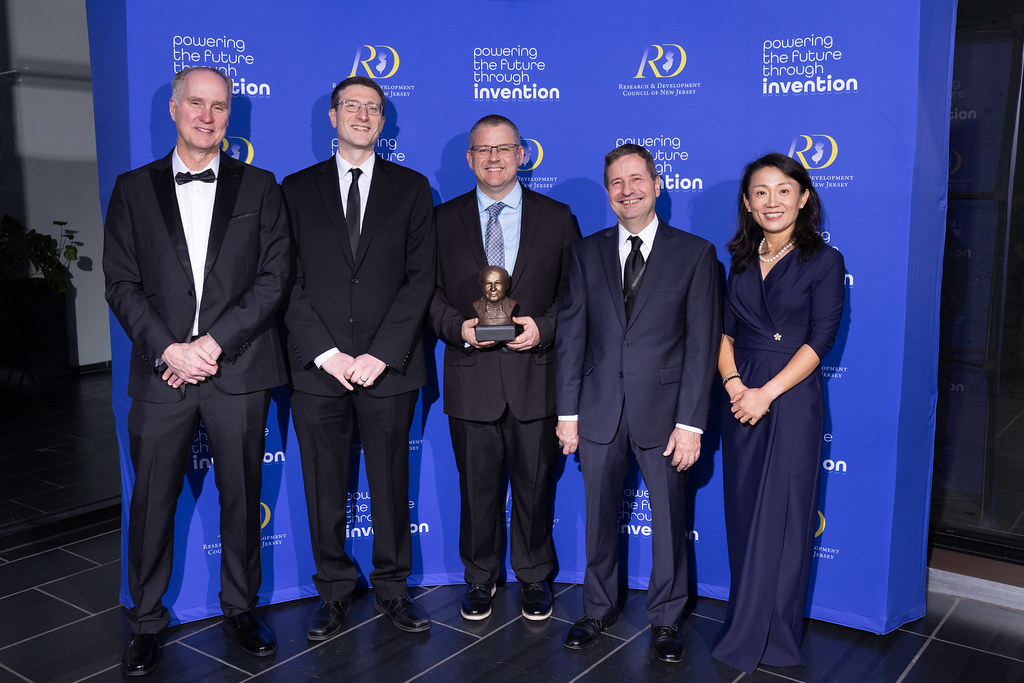
Merck & Co., Inc. and inventors Kevin M. Maloney, Eric M. Sirota, Richard J. Varsolona, Donald R. Gauthier, and Hong Ren were recognized with an Edison Patent Award in the Pharmaceutical category for the patent Solid Forms of Ceftolozane and Processes for Preparing (U.S. 11,542,279 B2). The award acknowledges a newly discovered crystalline form of ceftolozane sulfate that enabled Merck to replace a time-consuming, equipment-intensive purification sequence that included column chromatography and nanofiltration, with a crystallization-based process. The simplified, crystallization-based manufacturing route significantly improves yield and reduces environmental impact while relying on standard equipment, making the synthesis of ceftolozane more productive and cost-effective.
Biomaterials: MTF Biologics
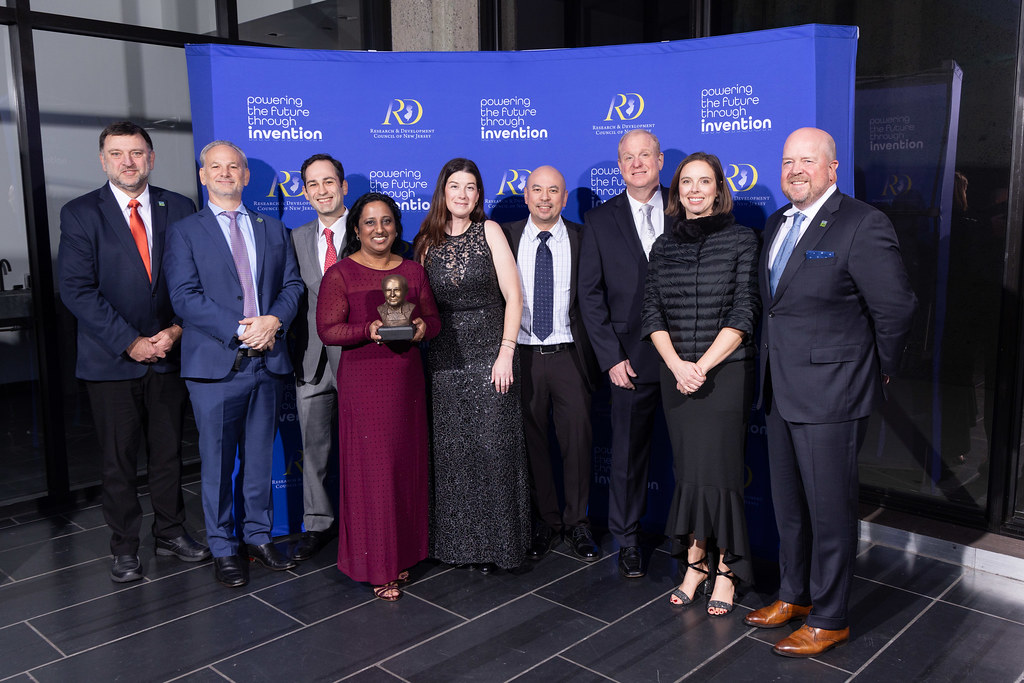
Musculoskeletal Transplant Foundation and inventors Eric Semler, Alex Callahan, Joed Canales, Katrina Carroll, Anouska Dasgupta, and Roman Shikhanovich were recognized with an Edison Patent Award in the Biomaterials category for the patent Tissue-Derived Tissuegenic Implants, and Methods of Fabricating and Using Same (U.S. 9,352,003 B1). This groundbreaking technology enables the creation of allograft tissue implants composed of viable osteogenic cells embedded within an osteoconductive matrix, enhanced by an osteoinductive component such as demineralized bone matrix. Notably, the inclusion of demineralized bone fibers increases product cohesion, supporting structural integrity and handling during surgical placement. Designed to contain the essential components to support bone formation, the implants combine cellular viability, with an osteoconductive scaffold offering a reproducible and scalable solution for orthopedic repair.
Technology Transfer: New Jersey Institute of Technology
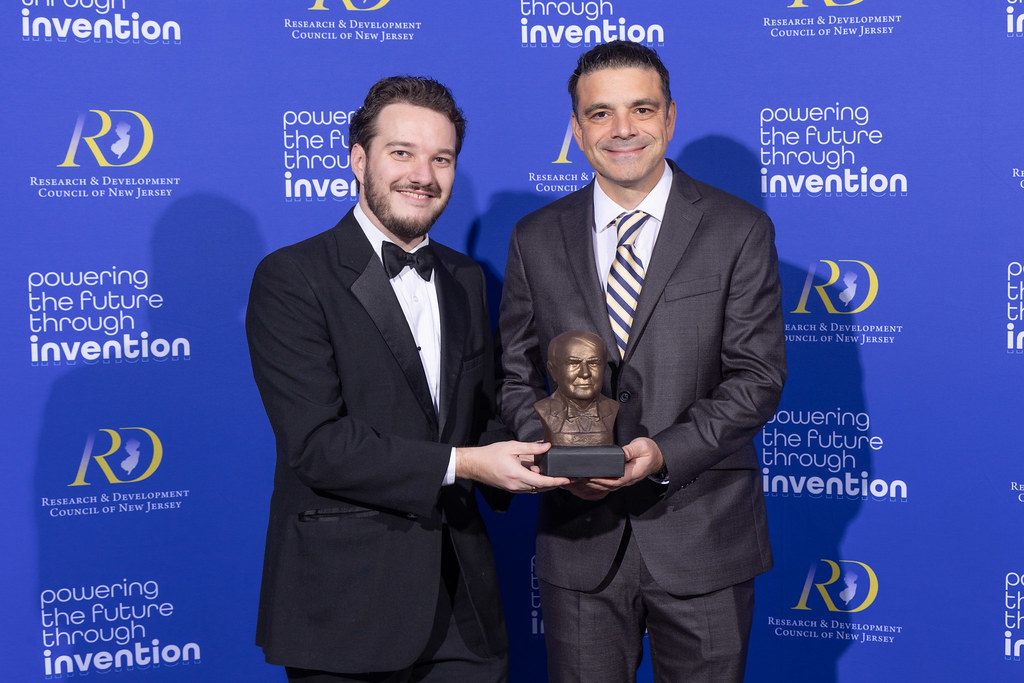
New Jersey Institute of Technology and inventors Murat Guvendiren, Chya-Yan Liaw, and Andrew House were recognized with an Edison Patent Award in the Technology Transfer category for the patent Method for 3D Printing a Thermally Curable Polymeric Ink (U.S. 12,186,986 B2). This novel technology allows manufacturers for the first time to 3D print a class of biomaterials used in bone and tissue repair. One potential application is the creation of cell-friendly, degradable tissue scaffolds that would help repair torn tendons. Currently, the parts used in these procedures must be injected into molds, cured, treated and machined. The inventors’ patented innovation allows them to take a digital image and directly print and treat it in a single process. Moreover, their method enables them to shape the materials into complex, patient-specific devices that are now difficult to create in molds. The patent has been licensed to Acuitive Technologies, Inc., where it is being used to 3D print specialized thermally curable polymer composites for orthopedic applications, including rotator cuff repair.
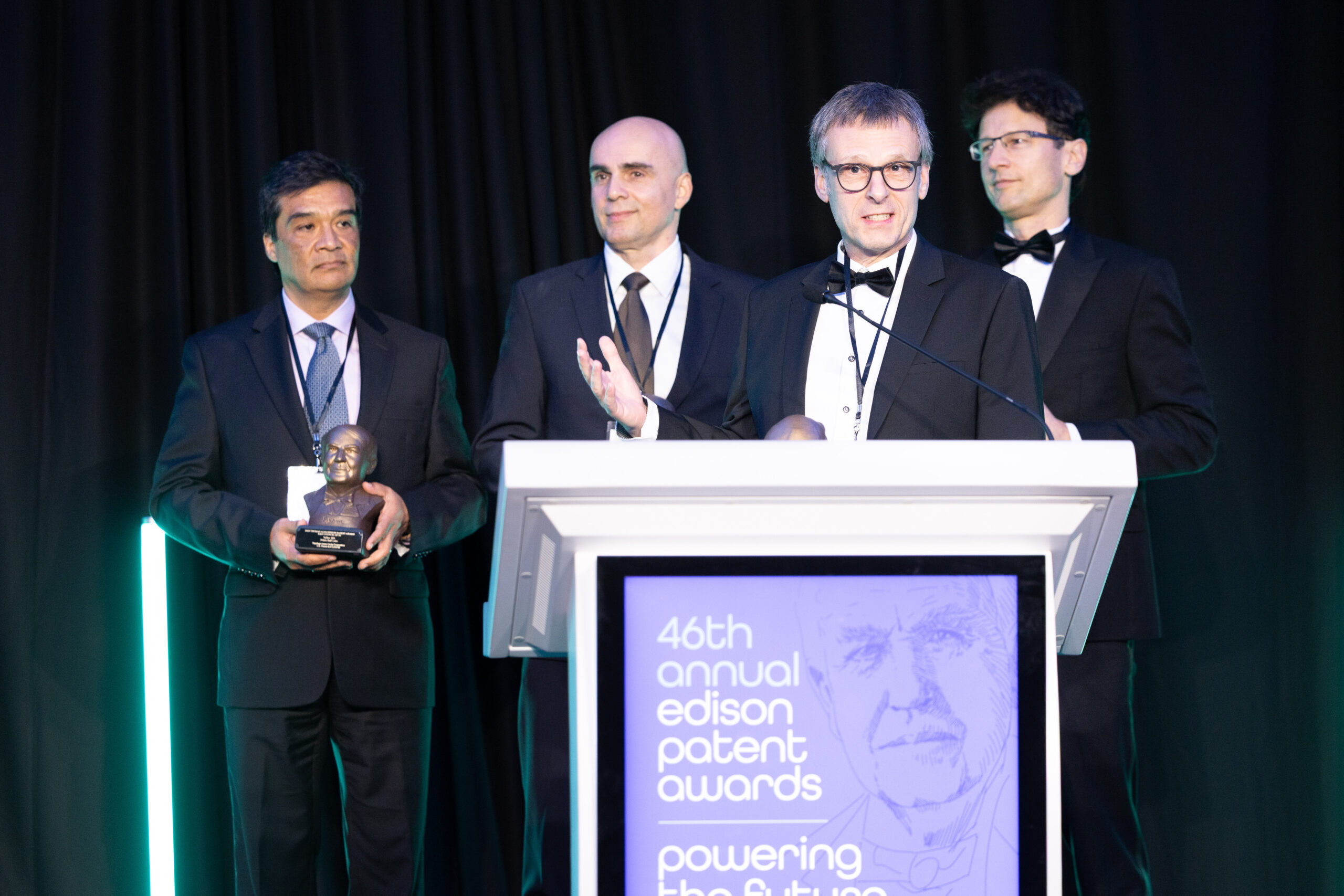
Telecommunications: Nokia Bell Labs

Nokia Bell Labs and inventors Andre Beck, Jairo Esteban, Volker Hilt, and Ivica Rimac were recognized with an Edison Patent Award in the Telecommunications category for the patent Topology Aware Cache Cooperation (U.S. 8,417,816 B2). Video streaming services like Netflix and Amazon Prime have become very popular over the past decade and have a need to deliver very large amounts of video content to end users. To address this need, Content Delivery Networks (CDNs) have been introduced into the Internet infrastructure. This patent helps to significantly increase the effectiveness of a CDN. The core idea is to enable multiple servers in a CDN to collaborate. CDN servers share their storage space to create a large virtual content store and jointly deliver popular videos to end users. This makes video delivery more cost effective for video streaming providers and for network operators, improving video quality and the end user experience.
Consumer: Princeton University
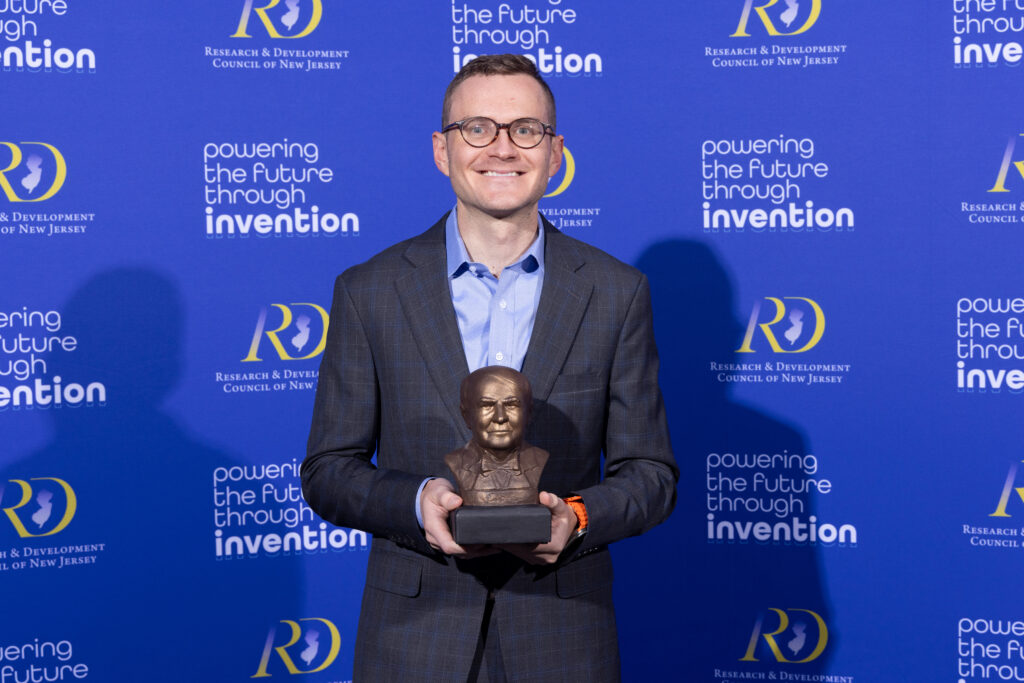
Princeton University and inventors Justin E. Silpe and Bonnie L. Bassler were recognized with an Edison Patent Award in the Consumer category for the patent Methods, Devices and Compositions for Preserving Human Milk (U.S. 12,239,142 B2). One billion ounces of stored human breast milk are discarded each year due to uncertainty about spoilage. The Bassler-Silpe breakthrough enables parents and healthcare providers to safely store and use expressed breast milk. The patented formulation contains three food-derived ingredients that protect milk fats and nutrients during freezing and thawing. By blocking fat breakdown and delivering antioxidant protection, the patented formulation keeps breast milk fresh and close to its original, natural state during household refrigerator and freezer storage. This formulation is the first affordable, at-home method that prevents rancidity and preserves the taste, quality, and nutrition of human milk, supporting families and hospitals in providing babies the best possible start in life.
Medical Diagnostics: Rowan University
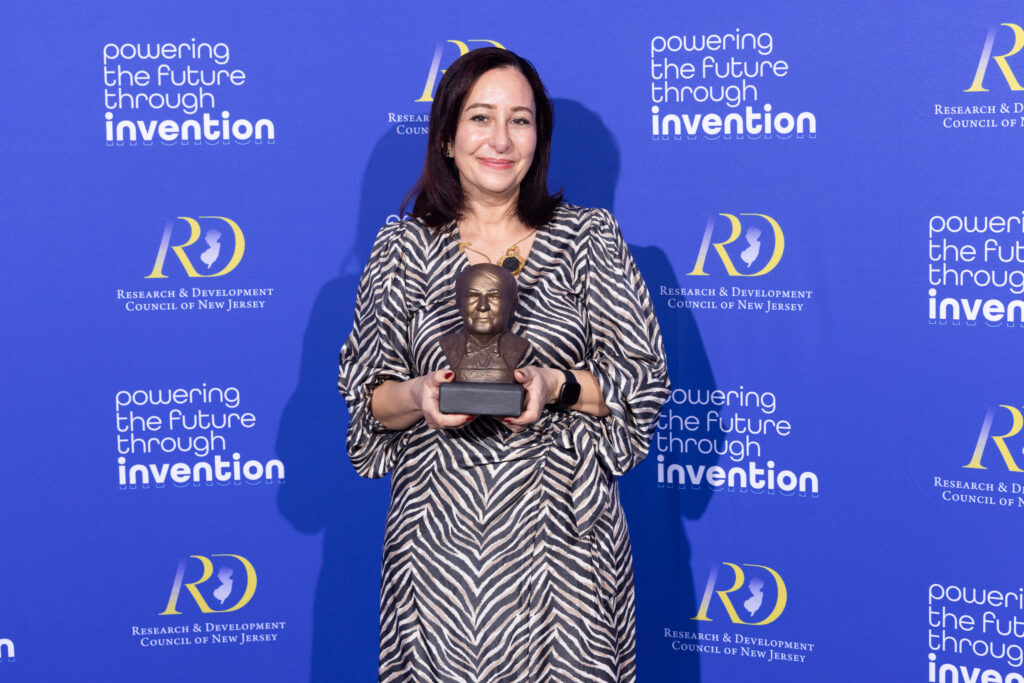
Rowan University and inventors Nidhal C. Bouaynaya and Hassan M. Fathallah-Shaykh, of the UAB Research Foundation, were recognized with an Edison Patent Award in the Medical Diagnostics category for the patent Method for Detecting Radiological Progression in Cancer Surveillance (U.S. 12,198,334 B2). The patented innovation objectively assesses tumor growth by comparing volumetric changes in sequential medical images – such as MRI, CT, or PET scans – and applying an online abrupt change-of-point method. This breakthrough enables clinicians to detect radiological progression earlier, refine treatment protocols in real time, and improve outcomes for patients with brain tumors, including gliomas. Commercialized through MRIMath LLC, a joint Rowan University and UAB spin-off, the technology has received FDA 510(k) clearance and is shaping the future of AI-assisted oncology care.
Emerging Technology: Rutgers, The State University of New Jersey

Rutgers, The State University of New Jersey and inventors Eric Wengrowski and Kristin Dana were recognized with an Edison Patent Award in the Emerging Technology category for the patent Light-Field Messaging to Embed a Hidden Message Into a Carrier (U.S. 11,790,475 B2). The patented innovation introduces a forensic watermarking technique that embeds information in digital images and videos shared online or captured by cameras. The watermark is invisible to the human eye but can be detected algorithmically using AI and deep learning. This innovation led to the creation of the startup Steg.AI. The technology supports critical applications by protecting digital assets from leaks and deepfakes while enhancing the integrity, authenticity, and security of digital media.
Industrial Processes: Rutgers, The State University of New Jersey

Rutgers, The State University of New Jersey and inventors Richard E. Riman and Daniel Kopp were recognized with an Edison Patent Award in the Industrial Processes category for the patent Methods for Low Energy Inorganic Material Synthesis (U.S. 11,332,847 B2). The invention introduces a novel low-temperature process that uses controlled steam and pressure conditions to synthesize inorganic materials with dramatically reduced energy input compared to conventional routes. By precisely maintaining a vapor-rich reaction environment within specific thermodynamic boundaries, the method enables phase transformations and crystallization at temperatures that are less than half those of standard thermal processes. Building on this foundational technology, the Rutgers team developed a low-energy method for cement production. Subsequently, it spun out Queens Carbon, a three-year-old startup that has raised over $30 million to scale the technology toward commercial deployment – advancing a new era of sustainable, carbon-neutral cement manufacturing.
Information Technology: Siemens
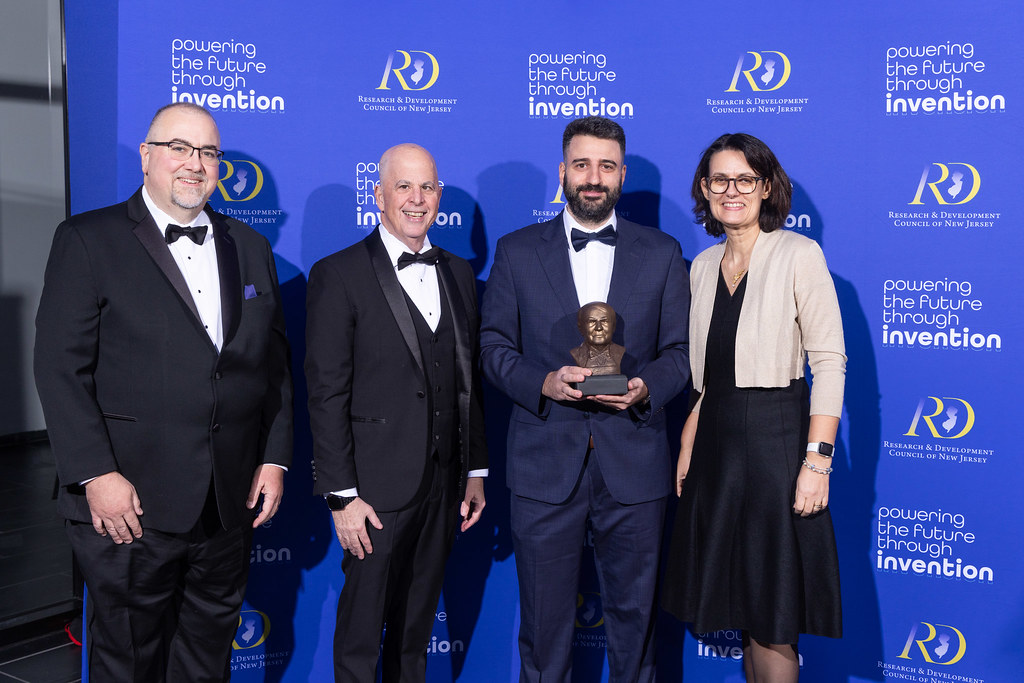
Siemens AG and inventors Francesco Bleve and Holger Strobel were recognized with an Edison Patent Award in the Information Technology category for the patent Supervisory Device With Deployed Independent Application Containers for Automation Control Programs (EP 3 963 447 B1). This groundbreaking patent introduces a supervisory program that integrates with a supervisory device through a single, one-time system integration during development. The result is a ‘portable artifact,’ a self-contained package that bundles all necessary dependencies. This artifact can be deployed seamlessly across diverse host operating systems, without requiring any changes to its application components. This approach effectively prevents configuration conflicts, significantly boosting the portability, maintainability, and deployment efficiency of industrial automation software across a wide range of hardware platforms.
Medical Transfer: Stryker
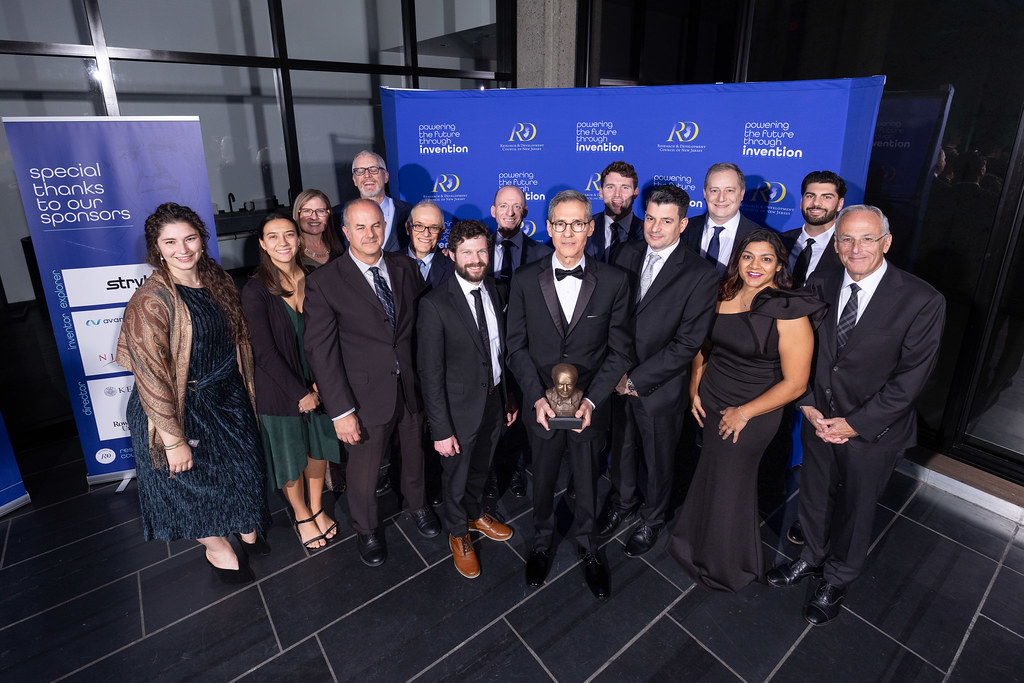
Stryker and inventor Damon J. Servidio were recognized with an Edison Patent Award in the Medical Transfer category for the patent Modular Hinge Knee Prosthesis and Improvements of Same (U.S. 10,548,735 B2). Many hinge knee prostheses often sacrifice natural knee kinematics for stability to account for soft tissue deficiencies, such as significant laxity, or complete deterioration or removal of the collateral ligaments. Triathlon® Hinge, created from US Patent 10,548,735, aims to improve knee kinematics by minimizing patellar tilt throughout the range of motion through modifications to the femoral component and overall hinge knee prosthesis. These modifications include a change in hinge axle center location, articular femoral component geometry improvements on both the patella track and distal implant surface, and additional relief for the patellar tendon on the tibial insert and bearing component. Furthermore, the Triathlon® Revision Tibial Baseplate of the total knee prosthesis allows for conversion from a Triathlon® Total Stabilized knee to a Triathlon® Hinge or GMRS Distal Femoral Replacement, thus creating a vertically integrated knee system to streamline revision knee arthroplasty.
Defense: U.S. Army Combat Capabilities Development Command (DEVCOM) Armaments Center

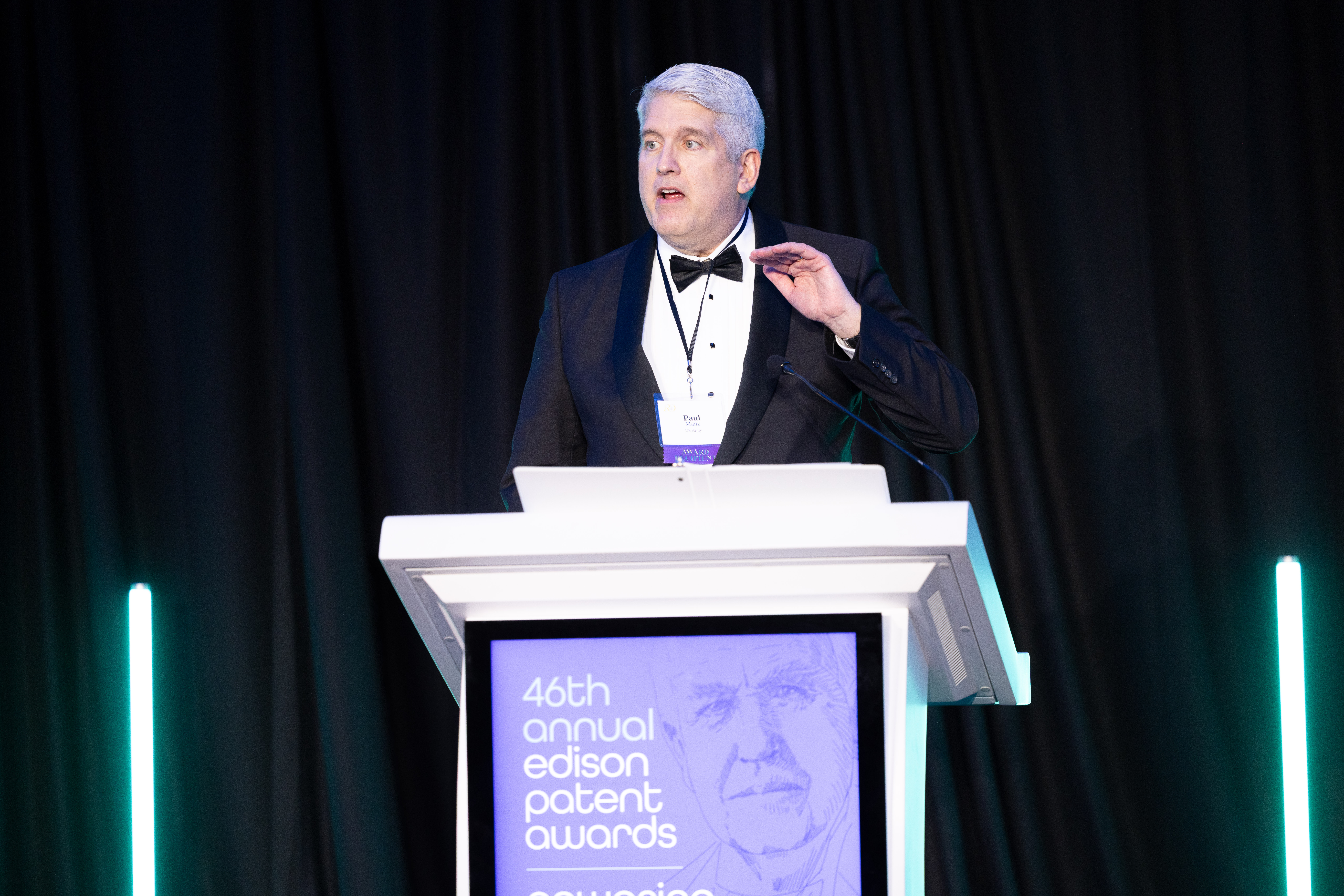
U.S. Army DEVCOM Armaments Center and inventor Paul Manz, a retired U.S. Army employee, were recognized with an Edison Patent Award in the Defense category for the patent Distributed Geospatial Communications System for Unmanned Aerial Vehicle (UAV) Monitoring (U.S. 10,999,696 B1). This groundbreaking invention addresses the widespread proliferation of UAVs, which has introduced complex challenges in both civilian and military contexts (posing potential threats to critical infrastructure and public safety). Through data exchanges using mobile nodes in a wireless communications network, this invention allows real-time identifying, monitoring, tracking, and warning of fast-moving UAVs (both friendly and hostile) within predefined geospatial areas using spontaneously formed ad-hoc wireless networks. The invention has been licensed commercially while also advancing key U.S. Army DEVCOM Armaments Center mission areas relating to situational awareness, Unmanned Aerial System (UAS), and counter-UAS operations.





































Special Thanks to Our Sponsors


In the News
Previous Patent Awards
2024 Patent Awards
2023 Patent Awards
2022 Patent Awards
2021 Patent Awards
2020 Patent Awards